
Mould Inspections & Testing
What is Mould Inspection?
A mould inspection is an essential service that identifies and assesses mould growth within your property. Mould can have serious implications for both your home’s structure and your health. Mould testing helps identify the source of the mould and determine the best course of action for removal.
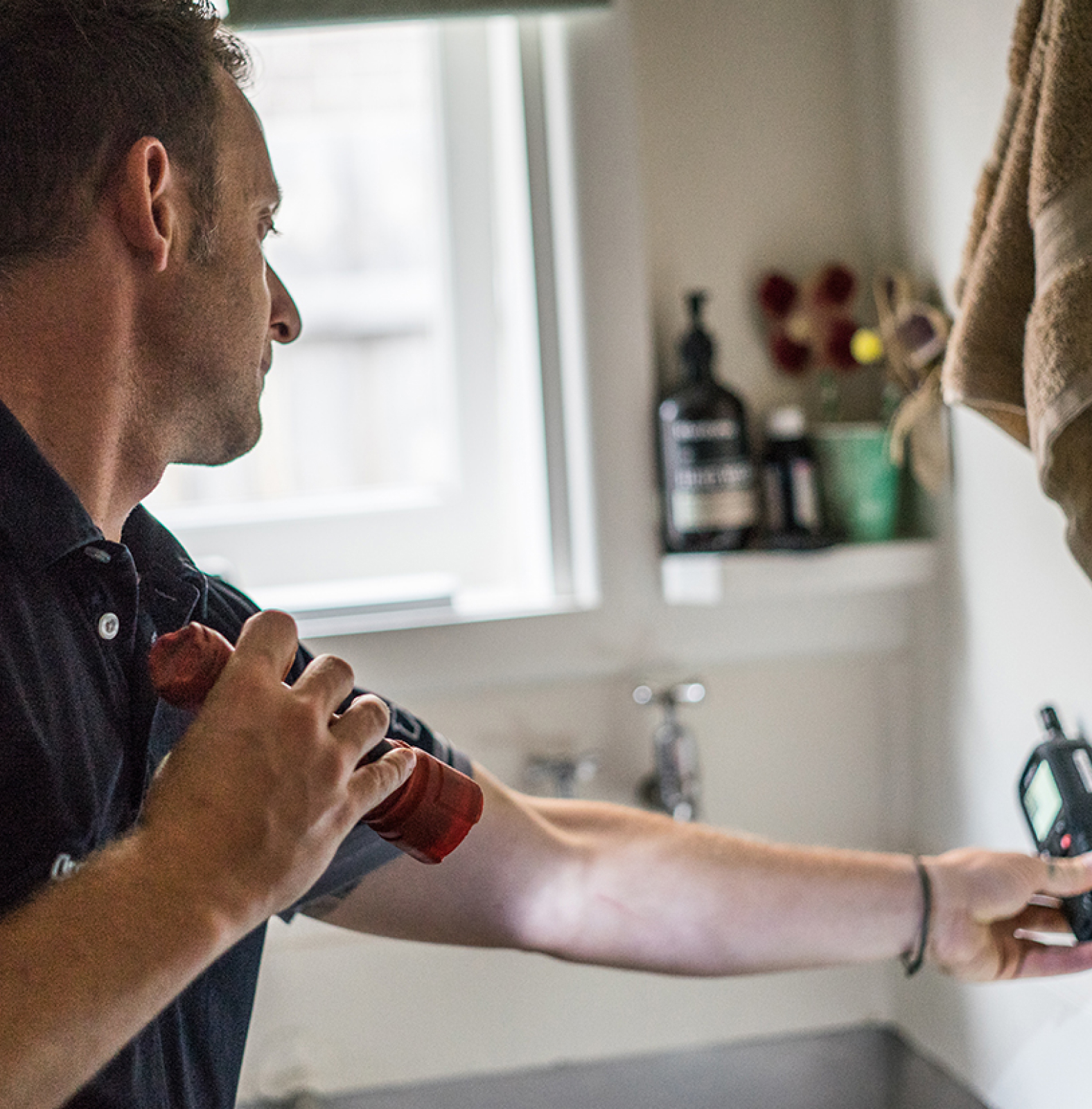
At Jim’s Building Inspections, our mould inspection services are thorough and accurate. Our inspectors use advanced equipment for mould detection and assess the air quality to ensure your property is safe and healthy. If you notice signs of dampness or unusual smells, it’s time for a mould inspection.
Whether you’re concerned about your home’s air quality, selling your property, or buying a new home, home mould testing can help protect your investment and health.
Read More
What Causes Mould and When to Book a Mould Inspection
Mould needs moisture to grow, and Australian homes create plenty of opportunities for it with humid coastal climates, poor ventilation in bathrooms and laundries, and even rising damp in older homes or leaking pipes or roofs that go unnoticed behind walls. A mould test helps pinpoint the source, especially helpful since mould inside wall cavities or under flooring often spreads well beyond what you can see.
Noticed damp patches, a musty smell, after any water damage from flooding, a burst pipe or a leaking roof? It’s time to book a mould inspection. Waiting only gives mould more time to spread.
When a Mould Inspection Makes Sense
Mould testing isn’t only useful once there’s an obvious problem. It helps:
- Buyers arranging pre-purchase inspections on an older or previously flood-affected property.
- Landlords and property managers meeting their rental compliance obligations.
- Owners in a strata scheme dealing with damp from a shared wall, roof or balcony.
- Renovators needing to ensure a property is fully dry before starting work, to avoid trapping moisture behind new walls or flooring.
- Anyone who’s had recent water damage from a leak, storm or burst pipe.
Other Reports That Strengthen Your Property’s Value
Mould inspections rarely stand alone. Depending on your situation, it can help to add:
- Building Inspections: A standard building inspection doesn’t check for mould, so combine the two for a fuller picture of the property.
- Building Pest Inspections: Damp conditions that lead to mould can also attract termites, making this a useful pairing.
- Asbestos Inspections: Useful for older homes, where damp areas may also involve asbestos-based sheeting or insulation.
- Strata Reports: Helpful if the mould in your unit stems from shared building issues that body corporate needs to address.
- Smoke Alarm Inspections: A practical add-on for landlords handling rental compliance alongside a mould check.
- Property Condition Reports: Gives landlords a documented baseline before a new tenancy begins.
- New Construction Inspections: Checks for trapped moisture or poor drainage in a newly built home.
- Dilapidation Reports: Good to arrange if nearby construction has changed drainage or caused water to pool around your property.
Read Less
Hear From Our Satisfied Clients


Why do you need a Mould Test Inspection?
A mould test inspection is crucial because mould growth can often go unnoticed, causing long-term damage to your property. Mould detection services help you identify mould before it becomes a serious issue. The importance of a home mould test goes beyond just checking for visible growth; it helps assess the air quality and any hidden mould infestations that could affect your health.
- Prevents health issues like allergies and asthma.
- Detects hidden mould in walls and ceilings.
- Assesses home air quality to ensure a safe environment.
- Offers actionable mould remediation advice to resolve issues quickly.

Download a Sample Report
Get a clear understanding of what our specialist inspections include by downloading a sample report. See how we detail findings, assess risks, and provide recommendations for your property.
What do our Mould Detection Reports include?
Our mould inspection reports are clear, easy-to-read, and comprehensive:
- Mould test results: Identifies types of mould present.
- Moisture detection: Identifies areas at risk for mould growth.
- Home air quality testing: Assesses airborne mould spores.
- Recommendations for next steps: Includes treatment options and prevention strategies.


Benefits of Mould Inspection Services
There are numerous benefits to scheduling a mould inspection with Jim’s Building Inspections:
- Health Protection: Identifying and eliminating mould can help reduce the risk of health problems like asthma, allergies, and other respiratory conditions.
- Improved Air Quality: Home air quality testing and mould testing help ensure the air inside your home is clean, breathable, and safe.
- Increased Property Value: Homes with documented mould inspections are more attractive to buyers, who value health and safety.
- Early Detection Saves Money: The sooner you identify mould, the sooner you can resolve the issue, saving you from expensive repairs and potential structural damage.
- Professional Expertise: Our mould detection experts use cutting-edge technology to give you accurate, reliable results and solutions.
A mould inspection ensures your home is safe, healthy, and free of hidden dangers that could impact your well-being or property’s value.
Frequently asked questions
We offer mould inspections across Australia, covering both metropolitan and regional areas. Contact us to find your local inspector.
Our mould inspections use advanced tools, including moisture meters, thermal imaging cameras, and sounding devices to detect hidden mould and moisture.
During a mould inspection, we assess the interior and exterior of your property, including walls, ceilings, insulation, and timber for signs of mould or moisture. We also test the air quality in your home.
Home air quality testing measures the presence of airborne mould spores and other pollutants that can affect indoor air quality. This is important for ensuring a healthy living environment.
Mould spores in the air can cause respiratory problems, allergies, and poor air quality. Mould inspections and home air quality testing help detect and resolve these issues before they worsen.
The cost of a mould inspection depends on the size of the property and the extent of the inspection. Contact us for a personalized quote.
A typical mould inspection takes 1-2 hours, depending on the size and complexity of the property.
It’s recommended to schedule a mould inspection annually or whenever you notice signs of dampness, water damage, or unusual smells in your property.
No. A standard building inspection covers structural and safety issues, but doesn’t include mould testing in the report. Many buyers add a mould inspection when scheduling their pre-purchase or building inspection, rather than booking it separately, especially for older homes or properties showing signs of past water damage, so they get a complete picture of the property before committing to buy.
Rental safety and health obligations vary by state, but landlords are generally expected to address damp or mould caused by a maintenance issue. Mould inspections give you documented evidence of the problem and its cause, which can help meet compliance obligations and resolve disputes with tenants.
Yes. Mould often develops when moisture enters through a shared wall, roof, balcony, or plumbing, which usually falls under the body corporate’s responsibility rather than the individual owner’s. A mould inspection helps establish where the moisture is coming from, giving owners, strata managers and property managers clear evidence to support repairs or a claim against common property.
DIY mould test kits can confirm mould is present, but they don’t show how far it’s spread, what’s causing it, or whether it’s affecting your air quality. A professional mould inspection uses tools such as moisture meters, thermal imaging, and air quality testing to identify the full extent of the problem and its source, providing results you can act on with confidence.