

Introduction to Pre-Purchase Termite Inspection
Buying a home is one of the biggest financial decisions most Australians will ever make. Yet, hidden beneath the surface of thousands of properties are pests capable of causing extensive and costly damage—termites. A pre purchase termite inspection is a detailed assessment carried out before buying a property to identify termite activity, timber damage, and potential risks.
In Australia, termites cause millions of dollars in damage every year, and most home insurance policies do not cover termite-related issues. That’s why a Pre-Purchase Pest Inspection or Pre-Purchase Timber Pest Inspection is not just recommended, it’s essential. For homebuyers, understanding the state of a property before signing the contract can mean the difference between a safe investment and a financial nightmare.
Why Should You Get a Pre-Purchase Pest Inspection?
A property may look perfect during an open home, but termites are experts at hiding their activity. A pre purchase termite inspection gives buyers peace of mind by providing a full picture of the property’s structural condition.
1. Hidden Termite Damage Is More Common Than You Think
Termites eat timber from the inside out, often leaving only a thin timber shell behind. This makes termite damage extremely difficult for buyers to detect without professional help. Many homes with termite issues show no obvious signs until the damage is severe.
2. Termites Can Significantly Reduce Property Value
Once termite damage is identified, repairs can range from minor fixes to full structural replacements. These costs can drastically affect negotiations or even the overall value of the home.
3. A Pre-Purchase Timber Pest Inspection Protects Your Investment
By assessing the property for termites and other timber pests—such as borers and wood decay—buyers can avoid unexpected repair bills. A professional building and pest inspection provides a thorough evaluation of areas that agents, sellers, and homebuyers rarely check.
How Termites Can Affect Your New Home
Termites are often called “silent destroyers,” and for good reason. Once they infest a property, they can cause significant structural damage in a short period of time.
Here’s what termites can damage in a home:
- Structural framing – including wall studs, floor joists, and roof timbers
- Decking and verandahs
- Fences and retaining walls
- Subfloors and crawl spaces
- Door frames and window frames
- Timber flooring
In severe cases, termite damage can compromise the integrity of the entire property, requiring extensive reconstruction. A thorough pre purchase termite inspection allows homebuyers to understand the risks before committing to the purchase.
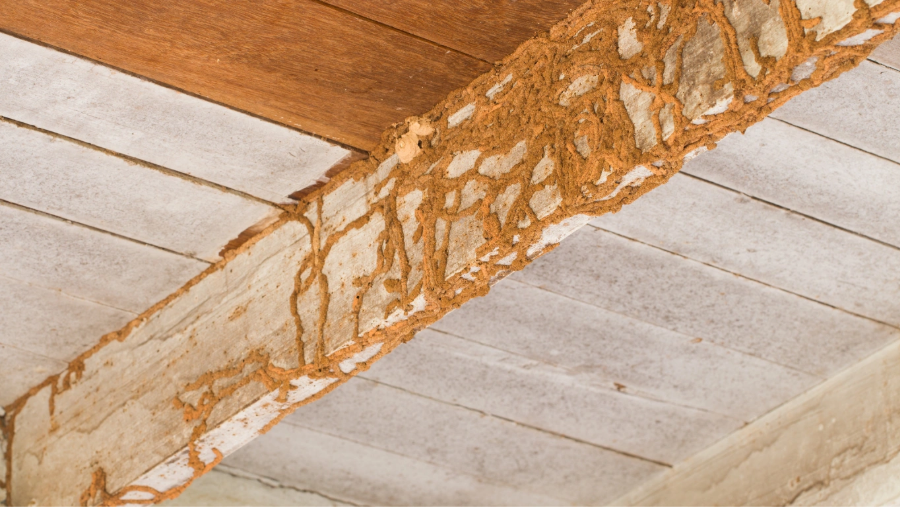
Signs of Termites You Should Be Aware Of
Although professionals are best equipped to spot termites, homebuyers should be aware of early warning signs.
Common signs of termites include:
- Mud tubes on walls, stumps, or foundations
- Hollow-sounding timber when tapped
- Peeling or bubbling paint that mimics water damage
- Soft or sagging floors
- Small piles of wings near windows or doors
- Termite droppings (frass)
- Visible termite damage in accessible areas
- Clicking noises coming from walls or timber
While these signs can indicate a serious problem, they may not always be visible. That’s why a comprehensive Pre-Purchase Pest Inspection is always recommended before buying.
What Does a Pre-Purchase Termite Inspection Involve?
A professional pre purchase termite inspection follows a systematic and detailed procedure to ensure no area of the property is overlooked.
Step-by-Step Inspection Process
1. External Inspection
Inspectors start with exterior structures including fences, sheds, decks, and the home’s perimeter. They look for conditions conducive to termite activity, such as moisture, soil contact, or timber decay.
2. Internal Inspection
Inside the home, technicians assess walls, floors, ceilings, skirting boards, door frames, and roof voids. Tools like moisture meters, sounding devices, and thermal imaging cameras may be used.
3. Subfloor Assessment
Homes with subfloors are inspected for moisture issues, ventilation problems, and termite shelters or mud tubes.
4. Roof Void Examination
Many termite infestations spread upward, so roof voids are evaluated for structural damage and timber decay.
5. Risk and Damage Reporting
Inspectors document both live termite activity and any signs of previous damage. They also identify environmental factors that increase termite risk.
What Homebuyers Receive
- A comprehensive inspection report
- Photographic evidence
- Recommendations for treatment or further investigation
- Risk assessment of the property for future termite activity
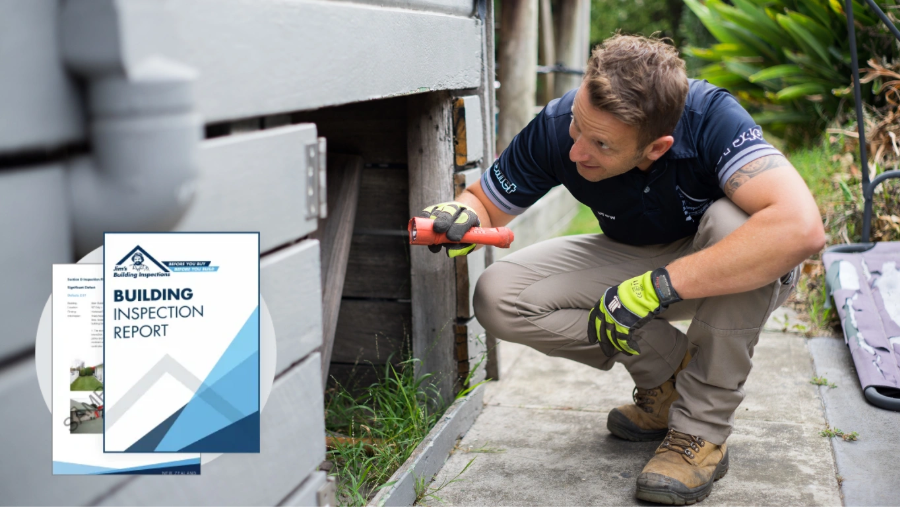
How a Pre-Purchase Pest Inspection Saves You Money
While a pre-purchase termite inspection is a relatively small upfront cost, it can save buyers thousands—sometimes tens of thousands—in the long run. Here’s how:
1. Identifying Expensive Problems Early
Repairs for termite damage can range from replacing beams to structural reconstruction. These repairs are far more expensive than the cost of a Pre-Purchase Timber Pest Inspection.
2. Providing Negotiation Power
If termites or damage are found, buyers can:
- Negotiate the asking price
- Request that the seller complete termite treatment
- Ask for damaged timber to be repaired
- Withdraw from the contract entirely
This allows buyers to avoid costly surprises after settlement.
3. Preventing Future Infestations
Inspection reports include recommendations that help reduce future risk, keeping maintenance costs down.
What Happens if Termites Are Found During the Inspection?
Finding termites during a pre-purchase termite inspection does not automatically mean the deal is off. Instead, it provides valuable information that allows you to make an informed decision.
Possible outcomes include:
1. Requesting Termite Treatment or Repairs
The seller may agree to have the property professionally treated or repaired before settlement.
2. Negotiating a Lower Price
Buyers can negotiate the cost of repairs into the sale price.
3. Proceeding With Full Awareness
Some buyers may still proceed with the purchase but budget for future treatment.
4. Walking Away From the Deal
If the termite infestation is severe, buyers may decide the risk is too great.
The key is understanding the extent of the damage and the cost of remediation—information only a professional inspection can provide.

How to Choose a Professional for Building and Pest Inspections
Choosing the right professional for your building and pest inspection is crucial. Not all inspectors have the same level of training or experience, so it’s important to evaluate your options carefully.
Look for the following:
- Professional and insured inspectors with experience in pre-purchase & pest inspection work
- Use of advanced inspection technology, including thermal imaging
- Comprehensive written reports delivered promptly
- Local expertise, especially knowledge of termites common in the area
- Positive customer reviews and a strong reputation
Trusted providers like Jim’s Building Inspections offer consistent, reliable service backed by years of industry experience.
The Role of Jim’s Building Inspections in Termite Inspections
Jim’s Building Inspections is one of Australia’s most reputable inspection services, offering high-quality Pre-Purchase Pest Inspection services nationwide.
What Jim’s Offers:
- Professional inspectors trained specifically in timber pest detection
- Advanced inspection tools like moisture meters and thermal imaging
- Detailed same-day reports
- Transparent pricing and nationwide coverage
- Expert recommendations for treatment or further action
Whether you’re buying an established home or considering an investment property, Jim’s Building Inspections provides the clarity and confidence every buyer needs before signing the contract.
Conclusion
A pre purchase termite inspection is one of the smartest steps you can take before buying a home. Termites can cause extensive structural damage, reduce property value, and leave buyers with unexpected repair bills. By investing in a Pre-Purchase Pest Inspection, you protect your finances, negotiate confidently, and move forward with peace of mind.
Jim’s Building Inspections offers reliable, comprehensive termite inspections designed to help homebuyers make informed decisions. Before signing your contract, ensure the property is safe, secure, and free of termites.
FAQs
It is a detailed termite and timber pest assessment carried out before buying a home. It identifies live termites, damage, and future risks.
Most inspections take 1–2 hours depending on property size and accessibility.
Discuss the findings with your inspector, request treatment or repairs, negotiate price reductions, or reconsider the purchase.
Yes. Termite findings often give buyers strong negotiation power.
Prices vary, but the cost is minimal compared to potential termite repair bills.
Annual termite inspections are recommended, or more frequently in high-risk areas.
In most cases, no. Termite damage is generally excluded from home insurance policies.
They can weaken essential structural timbers, making the property unsafe and requiring costly repairs.
General inspections focus on building defects, while termite inspections specifically identify timber pests and related risks.
If live termites are detected, treatment is strongly recommended before settlement.