

Buying a property is one of the biggest financial decisions you’ll make. Whether it’s your first home, an investment, or your forever home, it’s essential to do your due diligence. One of the most critical steps in this process is getting a building and pest report. This report offers a comprehensive overview of a property’s condition and helps protect you from future headaches and hidden costs.
What is a Building and Pest Report?
A building and pest inspection report is a detailed assessment of a property’s structural integrity and any pest activity or potential infestations. It is conducted by a qualified building inspector, often with a pest inspector, to examine everything from foundational stability to signs of termite activity.
This report is essential for both buyers and sellers. For buyers, it highlights potential property issues before purchase. For sellers, it offers a chance to address concerns before listing.
Why You Need a Building and Pest Inspection Report
Identifying Potential Property Issues Early
A comprehensive building and pest inspection report can reveal hidden problems such as water damage, foundation cracks, or termite infestation. Catching these issues early helps you make an informed decision and potentially avoid a poor investment.
Financial Benefits of Getting a Building and Pest Inspection
While a building and pest inspection comes with a cost, it can save you thousands in the long run. Uncovering structural damage or pest problems early means you can budget accordingly or avoid a costly repair bill post-purchase.
Negotiating Better Deals with Building and Pest Reports
With findings from the inspection, buyers gain negotiating power. If major defects or pest activity are identified, you can request repairs or negotiate the price to reflect the property’s true value.
The Role of Pest Inspections in Property Purchases
Common Pests Found During Inspections
A pest inspection checks for pests such as:
- Termites
- Rodents
- Ants
- Cockroaches
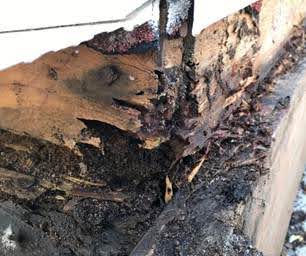
These pests can cause serious damage to timber structures and compromise safety and sanitation.
How Pest Infestations Impact Property Value
A home with pest damage or infestation can drastically lose market value. Treatments, repairs, and reputational harm can reduce resale potential and impact your investment returns.
Understanding the Building & Termite Inspection Process
What Does a Building & Termite Inspection Include?
A typical building and termite inspection involves:
- Visual inspection of the interior and exterior
- Assessment of the roof, subfloor, and ceiling cavities
- Checking plumbing, electrical systems, and drainage
- Identifying visible structural defects
- Looking for signs of active termites and past termite damage
How to Prepare for a Building & Termite Inspection
Whether you’re a buyer or seller:
- Ensure access to all areas, including subfloors, ceilings, and garages
- Clear clutter that may obstruct visibility
- Provide any relevant documentation, like past repairs or warranties
How to Choose the Right Building and Pest Inspector
Qualifications to Look For
Choose an inspector who:
- Is qualified and insured
- Has experience with both residential and commercial properties
- Uses modern inspection tools like moisture meters or thermal imaging
- Offers a detailed building and pest inspection report with photos and clear explanations
Building and Pest Inspection Cost
The cost of a building and pest report varies based on key factors such as:
- Property size and age
- Location (metro vs regional)
- Whether the inspection is for a commercial building or a residential building
These three factors significantly influence the time, complexity, and scope of the inspection.
Typical Range: $400 to $800. This varies based on location, property size, and whether the building is residential or commercial. For example, metropolitan areas like Sydney or Melbourne may average around $550–$700, while regional inspections may fall on the lower end. Larger homes or more complex properties may exceed this range. Though it’s an extra expense up front, it often prevents much larger costs down the line.
What Happens After You Receive Your Building and Pest Report?
How to Use the Report for Negotiation
If the report uncovers serious issues, you may:
- Negotiate a lower price
- Request that repairs be made before settlement
- Withdraw from the purchase if permitted by contract
However, please note that inspection findings do not guarantee a successful renegotiation or that the seller will agree to repair requests. Negotiation outcomes depend on many factors, including market conditions, seller flexibility, and contract terms.
Next Steps After Receiving the Report
- Review the report thoroughly
- Seek quotes for any required repairs
- Consult your conveyancer or solicitor
- Schedule any specialist follow-up inspections if needed
Why Choose Jim’s for Building and Pest Report?
At Jim’s Building Inspections, we combine local expertise with national standards. Our inspectors are qualified professionals who deliver:
- Thorough onsite assessments
- Easy-to-understand reports with photographic evidence
- Fast turnaround times
- Access to fully licensed pest inspectors
Whether you’re buying, selling, or investing, Jim’s provides peace of mind through detailed building and pest reports.
Conclusion
A building and pest report is not just a box to tick in your property journey. It’s a safeguard against making a costly mistake. With insights into structural integrity and pest risks, this report empowers you to make informed, confident decisions.
Let Jim’s Building Inspections help protect your next property investment.
FAQs
A building inspection checks structural elements, while a pest inspection looks for signs of pest activity or damage.
Yes. Identifying problems early helps you avoid unexpected costs after purchase.
Absolutely. Even new builds can have defects or pest vulnerabilities.
An annual inspection is recommended, especially in termite-prone areas.
Not legally required but strongly recommended, especially before buying.
Reports reflect the condition at the time of inspection. If significant time passes, a new inspection may be needed.
Yes. It’s a proactive way to fix issues early and increase buyer confidence.