
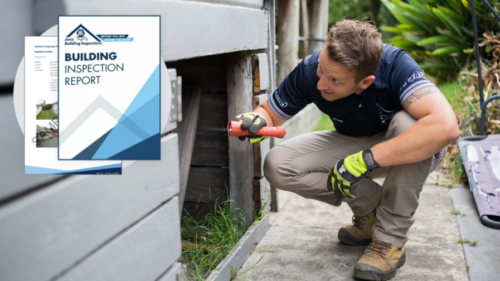
Buying a property is one of the biggest financial decisions most Australians will make. Whether you’re a firsttime buyer, a seasoned investor, a seller preparing to list, or a real estate agent managing multiple transactions, a property inspection report plays a crucial role in ensuring informed, confident decisionmaking.
A wellprepared inspection report helps uncover hidden issues, reduce unexpected repair costs, boost buyer confidence, and keep the entire process transparent. Yet, many Australians still overlook its importance or misunderstand what a property inspection actually includes.
This comprehensive guide breaks down everything you need to know about property inspection reports—from what they cover to how to read them, avoid common mistakes, and choose the right inspector.
What is a Property Inspection Report?
A property inspection report is a detailed document prepared by a qualified professional that outlines the condition of a property at a specific point in time. It assesses the home’s visible and accessible structural, electrical, plumbing, and safety components.
Purpose of a Property Inspection Report
- Identify existing defects
- Highlight potential future issues
- Provide buyers, sellers, and agents with a transparent view of the property
- Support negotiations around price or repairs
Legal Significance
While not mandatory everywhere in Australia, these reports can carry significant legal weight. Buyers often rely on them during the coolingoff period to decide whether to proceed, renegotiate, or withdraw. Courts also consider inspection reports as formal evidence if disputes arise about building defects.
Types of Property Inspection Reports
Different buyers and sellers require different inspection types based on their situation. The most common include:
1. PrePurchase Inspection
A thorough home inspection report performed before a buyer signs or finalises a contract. It uncovers structural, electrical, plumbing, pest, and safety issues.
2. PreSale Inspection
Often arranged by sellers wanting to avoid surprises during negotiations. Identifying and repairing faults early can support a smoother sale and potentially a higher price.
3. Structural Inspection
A specialised form of building inspection focusing only on structural integrity—walls, foundations, floors, ceilings, and roofing support.
4. Pest and Termite Inspection
Although sometimes separate, pest assessments are often paired with a building inspection report to evaluate termite activity and damage.

Who Prepares a Property Inspection Report?
A property inspection report is prepared by a qualified and experienced building inspector. At Jim’s Building Inspections, reports are carried out by welltrained professionals who have extensive handson experience in assessing residential and commercial properties. Jim’s inspectors undergo:
- Comprehensive internal training
- Ongoing professional development
- Practical skill assessments
- Industryaligned education in building and construction principles
Many inspectors also come from relevant trade or construction backgrounds, giving them valuable insight into structural, electrical, plumbing, and safetyrelated issues.
Choosing a qualified and welltrained inspector—such as those from Jim’s Building Inspections—ensures you receive a reliable, detailed, and unbiased report consistent with the expectations of Australian Standards, including AS 4349.1, which guides prepurchase building inspections.
Why a Building Inspection Report is Important
A building inspection report protects buyers, sellers, and agents from unexpected financial, structural, and legal risks. It gives everyone clarity about the property’s true condition, reducing surprises later.
For Home Buyers
Home buyers rely heavily on a property inspection report to:
- Avoid purchasing a property with hidden damage
- Understand repair costs before committing
- Use report findings to negotiate the price
- Back out during coolingoff if significant issues arise
- Feel confident their investment is sound
A small issue identified early can save thousands of dollars after settlement.

For Home Sellers
Sellers also benefit from arranging their own building inspection:
- Helps identify defects before listing
- Allows sellers to make repairs proactively
- Reduces buyer hesitation
- Encourages stronger offers
- Minimises lastminute negotiations
A clean report builds trust with buyers, showing transparency from day one.
For Real Estate Agents
Real estate professionals use home inspection reports to:
- Manage buyer and seller expectations
- Reduce the likelihood of dealbreaking surprises
- Provide accurate advice during negotiations
- Ensure compliance and documentation integrity
- Facilitate smoother and faster transactions
Agents with quality inspection partners often achieve a more efficient sales process.
Key Components of a Building Inspection Report
Every building inspection report varies slightly, but most follow a consistent structure focusing on major systems and safety concerns. Here’s what you can expect.
Structural Integrity
Inspectors assess:
- Foundation stability
- Wall cracks or movement
- Roofing structures
- Ceiling and floor alignment
- Signs of moisture or structural deterioration
Structural damage can be costly, making this one of the most important sections.
Electrical Systems
A standard building inspection includes a visual inspection only of the electrical systems. Inspectors look for:
- Outdated or damaged wiring
- Signs of electrical hazards
- Noncompliant fittings
- Exposed cables
- Issues with power points or switches
Because inspectors do not dismantle electrical components or perform technical testing, the assessment is based on what is visible and accessible at the time of inspection.
If any concerns are identified, buyers may need to engage a licensed electrician for a detailed investigation or specialist testing.
Plumbing and Water Systems
Plumbing checks also involve a visual assessment only, focusing on elements that can be observed without invasive work. Inspectors examine:
- Visible pipework
- Signs of leaks or moisture damage
- Water pressure observations
- Hot water system condition (external visual check)
- Drainage concerns around the property
Since inspectors cannot cut into walls, dismantle fixtures, or conduct pressure testing, some issues may not be detectable during a visual inspection.
If potential plumbing concerns are raised, a qualified plumber may be required for more comprehensive diagnostics and testing.
Pests and Termites
Pest inspections look for:
- Active termites
- Historical termite damage
- Wood rot
- Entry points
- Conditions that encourage termite activity
Termite damage can affect a property’s structural integrity, making this a critical component of any property inspection.
Safety and Compliance Checks
Inspectors also assess:
- Smoke alarm placement
- Stair and balcony safety
- Handrail compliance
- Pool fencing compliance
- Trip hazards
- General adherence to Australian building codes
These checks help ensure the property is safe for occupants and visitors.

How to Read a Property Inspection Report
Inspection reports can look complex, especially for firsttime buyers. Here’s how to make sense of them.
Red Flags to Watch For
Pay close attention to signs of:
- Significant wall cracking
- Foundation movement
- Roof leaks
- Mold or damp patches
- Termite activity
- Electrical hazards
- Plumbing leaks under sinks or in ceilings
These issues often require immediate repair or professional assessment.
Prioritizing Repairs
Not all issues carry equal weight. Organise them into:
1. Urgent Repairs
Safety hazards, leaks, or major structural concerns.
2. Important but Not Urgent
Wearandtear items, faulty taps, minor cracks.
3. Cosmetic Issues
Paint peeling, minor dents, and surfacelevel imperfections.
Your inspector may also recommend timelines for repairs and estimated costs.
Common Mistakes to Avoid
Many buyers and sellers misunderstand or mishandle inspection reports. Here’s what to avoid.
Ignoring Minor Issues
Small defects—such as inadequate ventilation, tiny leaks, minor cracks, or early signs of wood rot—can evolve into major problems if not addressed in time. Early action saves money.
Not Using a qualified Inspector
Some buyers rely on friends, family members, or online checklists instead of hiring a professional. Only a licensed inspector can provide a reliable and legally credible property inspection report.
How to Get a Property Inspection Report in Australia
Obtaining a property inspection report is a straightforward process:
- Choose a qualified inspector – Look for licensed professionals or reputable brands such as Jim’s Building Inspections.
- Book the inspection – This can typically be arranged within a few days.
- Receive the report – Usually delivered within 24 hours.
- Discuss findings – Most inspectors offer followup explanations.
Selecting an inspector who follows Australian Standards ensures thorough and consistent results.
Conclusion
A property inspection report is one of the most valuable tools in the real estate process. It protects buyers from unexpected repair costs, empowers sellers to list confidently, and helps real estate agents facilitate smoother transactions.
Whether you’re buying, selling, or advising, investing in a professional inspection is essential for protecting your financial future and making informed decisions.
FAQs
Typically 1–3 hours depending on property size, age, and condition.
Only licensed and qualified building inspectors or professionals accredited under relevant state regulations.
Costs vary from $300 to $800+, depending on location, property size, and whether pest inspections are included.
Yes—reports from certified inspectors can be used as evidence in disputes about building conditions.
Prepurchase inspections are done once before buying, but owners may consider followup inspections every few years.
Reports can range from 20 to 60 pages, with photos, notes, ratings, and recommendations.
Yes. Major defects can lower value, while a clean report can boost buyer confidence.
Focus on red flags, safety hazards, costintensive repairs, and inspectorrecommended actions.
Not always. Some inspectors offer combined building and pest packages.
Prepurchase reports help buyers evaluate risks while presale reports help sellers prepare before listing.
Generally valid for 3–6 months, but conditions can change with weather, wear, and new damage.