
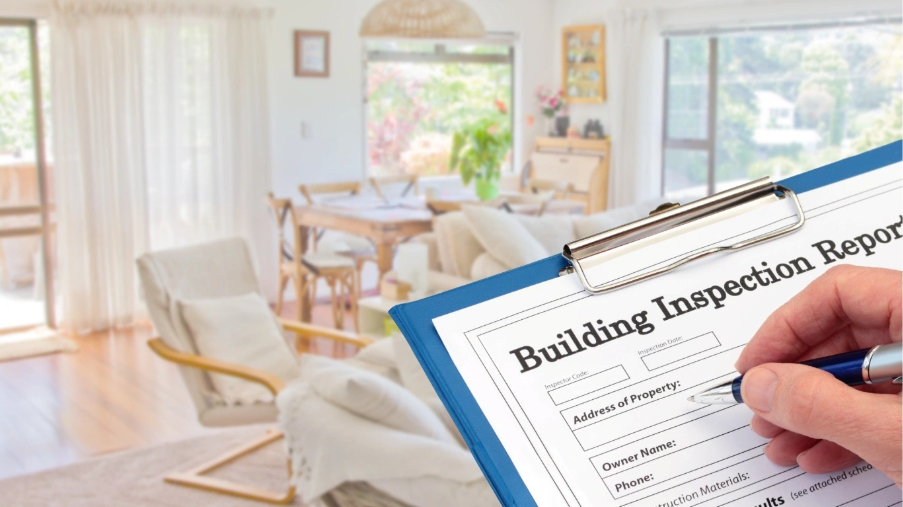
Understanding the different types of building inspections is essential whether you’re buying, selling, renovating, or maintaining a property. A building inspection isn’t just a formality—it’s a critical step that helps uncover hidden defects, assess safety risks, and protect your financial investment.
In Australia’s competitive property market, skipping the right inspection can lead to costly surprises, legal disputes, or serious safety concerns. This guide explains the most common types of building inspections, what each one covers, when you need them, and how professional building inspection services can save you time, money, and stress.
Whether you’re a first‑home buyer, seasoned investor, property owner, or builder, knowing which inspection applies to your situation empowers you to make confident, informed decisions.
What Is a Building Inspection?
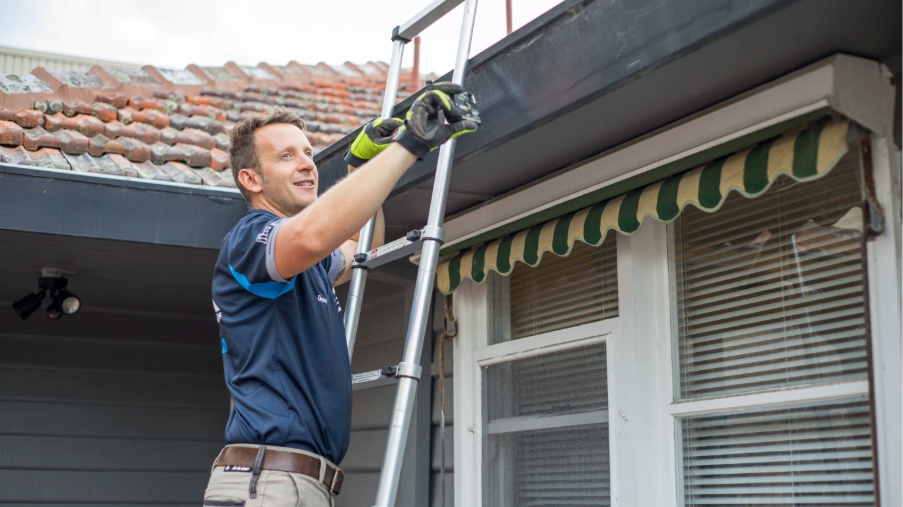
A building inspection is a professional assessment of a property’s condition, carried out by a licensed and qualified building inspector. The inspection evaluates the structural integrity, safety, and overall condition of a building at a specific point in time.
Most inspections include a visual examination of accessible areas such as:
- Foundations and structural elements
- Roof exterior and interior spaces
- Walls, floors, and ceilings
- Plumbing and electrical systems
- Moisture levels and ventilation
- Safety and compliance issues
The findings are documented in a detailed property condition report, outlining defects, risks, and recommended actions. In Australia, reputable inspectors follow Australian Standards and local building regulations, ensuring reliable and consistent assessments.
Building inspections are commonly conducted before purchasing or selling a property, during construction handovers, before renovations, or as part of ongoing maintenance planning.
Why Understanding Inspection Types Matters
Not all inspections are the same. Choosing the wrong inspection—or skipping one altogether—can expose you to significant risks, including:
- Undetected structural defects
- Hidden pest infestations
- Electrical or plumbing hazards
- Non‑compliance with safety regulations
- Unexpected repair costs
- Insurance claim complications
Understanding the various types of building inspections allows you to select the right service for your situation. The right inspection delivers peace of mind, strengthens negotiation power, and often results in long‑term cost savings.
Professional building inspection services help property owners and buyers make informed decisions backed by expert insights rather than assumptions.

Pre‑Purchase Building Inspection
What This Inspection Covers
A pre‑purchase building inspection is one of the most common and important inspections conducted before buying a property. It typically includes:
- Structural assessment of foundations, walls, and roof
- Moisture readings and water damage detection
- Roofing condition and drainage
- Plumbing and electrical visible components
- Major defects and safety hazards
The inspection results in a comprehensive property condition report highlighting defects, maintenance issues, and potential future concerns.
Ideal Use Case
This inspection is ideal for buyers before finalising a purchase or making an unconditional offer. It helps identify costly repairs, safety risks, or deal‑breaking issues early, allowing buyers to renegotiate or walk away with confidence.
Pre‑Sale (Vendor) Building Inspection
Why Sellers Choose It
A pre‑sale inspection allows sellers to understand their property’s condition before listing it on the market. It identifies issues that could affect buyer confidence or delay settlement.
How It Improves Property Value
By addressing problems early or disclosing them transparently, sellers can:
- Build trust with buyers
- Reduce last‑minute negotiation risks
- Speed up the sales process
- Potentially increase the final sale price
Pre‑sale inspections are increasingly popular in building inspections Australia due to their role in smoother transactions.
New Construction (Handover) Inspection
What Inspectors Look For
A handover inspection is conducted before the final payment on a new build. Inspectors assess:
- Quality of workmanship
- Compliance with building codes and standards
- Installation accuracy of fixtures and fittings
- Incomplete or defective work
Why It’s Important for New Builds
Even new properties can have defects. This inspection ensures builders rectify issues before handover, protecting homeowners from future disputes and repair costs.
Pest & Termite Inspection
What It Checks
This inspection identifies:
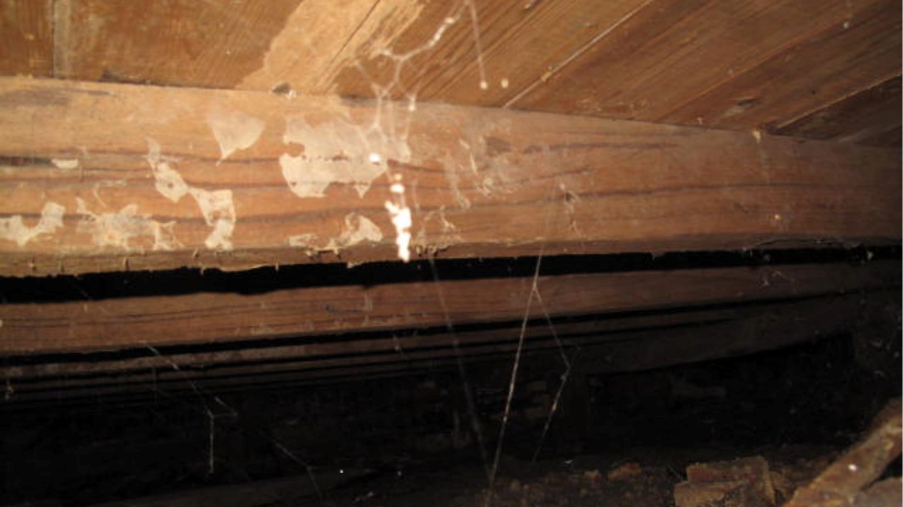
- Active termite infestations
- Evidence of previous pest damage
- Conditions conducive to pests (moisture, timber contact)
Importance for Property Health
Termites can cause extensive structural damage if left undetected. A pest inspection is often combined with other types of building inspections, especially for older homes.
Structural Integrity Inspection
When You Need This Inspection
A structural integrity inspection is essential if you notice:
- Cracked walls or ceilings
- Uneven floors
- Sagging roofs
- Signs of foundation movement
Key Structural Assessment Areas
This building structural assessment focuses on:
- Foundations and footings
- Load‑bearing walls
- Roof structure
- Flooring systems
It’s also recommended before major renovations or extensions.
Dilapidation Report
What It Documents
A dilapidation report records the existing condition of a property and surrounding structures before construction or excavation begins. It includes detailed photos and descriptions of:
- Cracks
- Surface damage
- Structural movement
Why Builders and Homeowners Need It
This report protects property owners and builders from disputes or damage claims arising from nearby construction work.
Electrical Inspection
Inspection Checklist
Electrical inspections conducted as part of standard building inspections are visual‑based assessments only. At Jim’s Building Inspections, inspectors do not carry out invasive testing or electrical certification. Instead, the inspection focuses on identifying visible safety concerns and compliance indicators.
A visual electrical inspection typically assesses:
- Condition and accessibility of switchboards
- Presence of safety switches (RCDs), where visible
- Visible wiring, power points, and light fittings
- Obvious signs of damage, ageing, or non‑compliance
- General electrical safety risks that may require further investigation
Any concerns identified are noted in the report with recommendations to engage a licensed electrician for detailed testing or repairs where required.
Safety Benefits
Even as a visual inspection, this assessment plays an important role in identifying potential electrical hazards such as outdated components, damaged fittings, or missing safety devices. Electrical faults can lead to serious risks including fires and electrocution.
A visual electrical assessment helps reduce these risks by flagging concerns early, supporting informed decision‑making, and ensuring buyers or owners understand when specialist electrical inspections are necessary.
Plumbing Inspection
Common Issues Checked
Plumbing inspections included in standard building inspections are also visual and non‑invasive. Jim’s Building Inspections does not perform pressure testing, drain scoping, or plumbing certification unless stated as a separate service.
A visual plumbing inspection typically examines:
- Visible leaks at fixtures and connections
- General water pressure observations at taps
- Drainage performance at accessible points
- Condition and placement of hot water systems
- Visible pipework and signs of corrosion or damage
Where defects or concerns are identified, the inspector will recommend further assessment by a licensed plumber.
Why Plumbing Inspections Matter
Even a visual plumbing inspection can uncover early warning signs of issues that may otherwise go unnoticed. Identifying leaks, poor drainage, or ageing systems early helps prevent:
- Water damage and mould growth
- Structural deterioration
- Unexpected repair costs
- Excessively high water bills
By highlighting visible risks and maintenance concerns, visual plumbing inspections provide valuable insight into a property’s overall condition and help owners plan timely repairs or upgrades.
Strata Report Inspection
What a Strata Report Covers
A strata inspection reviews:
- Owners corporation financial health
- Maintenance records
- By‑laws and regulations
- Upcoming major repairs
- Strata fees and special levies
Why Buyers Need It
For apartments and townhouses, this inspection reveals hidden costs, disputes, and long‑term financial risks associated with shared ownership.
Depreciation Schedule Inspection
What a Depreciation Schedule Includes
This inspection assesses:
- Plant and equipment values
- Capital works deductions
- Asset lifespan estimates
Why Investors Need It
A depreciation schedule helps property investors maximise tax deductions and improve cash flow.
Essential Maintenance Inspection
What This Inspection Focuses On
Maintenance inspections identify:
- Wear and tear
- Ageing building services
- Safety system performance
Benefits for Property Longevity
Routine inspections prevent breakdowns, extend asset lifespan, and preserve property value.

Asbestos Inspection
When This Inspection Is Needed
Properties built before 1990 or undergoing renovations should undergo an asbestos inspection.
Safety & Legal Importance
Asbestos exposure poses serious health risks. Identifying and managing asbestos ensures compliance with Australian safety regulations.
Pool & Spa Safety Inspection
Compliance Requirements
Pool inspections assess:
- Fencing and barrier height
- Self‑closing gates
- Safety signage
Importance for Homeowners
These inspections reduce drowning risks and ensure compliance certificates are valid.
How to Choose the Right Type of Building Inspection
Factors to Consider
Choosing the right inspection depends on:
- Property age and type
- Renovation or construction plans
- Buyer vs seller objectives
When Multiple Inspections Are Needed
Older properties often require combined inspections, such as structural and pest assessments, for a complete risk profile.
Cost of Different Building Inspections
What Influences Pricing
Inspection costs vary based on:
- Property size and location
- Inspection type
- Inspector experience
Typical Price Ranges
While prices vary, inspections generally range from a few hundred dollars to higher amounts for specialised reports. The cost is minimal compared to potential repair expenses.
Why Choose Jim’s Building Inspections
Benefits of Professional Inspectors
Jim’s Building Inspections offers:
- Qualified, experienced inspectors
- Detailed, easy‑to‑understand reports
- Fast turnaround times
National Network & Trusted Service
With a trusted national presence, Jim’s delivers consistent, reliable building inspection services across Australia. When you’re ready to book a building inspection, you’re supported by industry expertise and proven systems.
Conclusion
Understanding the different types of building inspections empowers property owners and buyers to make smarter decisions. From pre‑purchase checks to specialised compliance inspections, each inspection serves a vital role in protecting your investment.
Choosing professional building inspection services ensures accuracy, compliance, and peace of mind. If you’re planning to buy, sell, renovate, or maintain a property, now is the time to book a building inspection with a trusted expert.
FAQs
A pre‑purchase building inspection is essential, often combined with a pest inspection.
Structural defects, moisture damage, safety hazards, and compliance issues.
They’re not always mandatory but are strongly recommended.
Every 3–5 years or before major renovations.
Pre‑purchase inspections protect buyers; pre‑sale inspections help sellers prepare their property.
They’re professional opinions, not legal guarantees.
Relevant trade qualifications, licensing, and insurance.
Often yes, for detailed compliance and safety assessments.