

Introduction to Dilapidation Report
Construction, demolition, and major renovation works can place nearby buildings and properties at risk of structural damage. Whether you are a property owner, builder, or developer, ensuring that those risks are documented and understood beforehand is crucial. This is where a dilapidation report becomes essential.
Dilapidation reports provide a clear record of the existing condition of a property before any construction work starts. In the event of disputes or potential damage claims, a well‑prepared dilapidation report becomes an invaluable reference for protecting all parties involved.
Jim’s Building Inspections provides professional, accurate, and comprehensive dilapidation inspection services across Australia — helping property owners safeguard their investments and maintain peace of mind during construction projects.
What is Dilapidation Report?
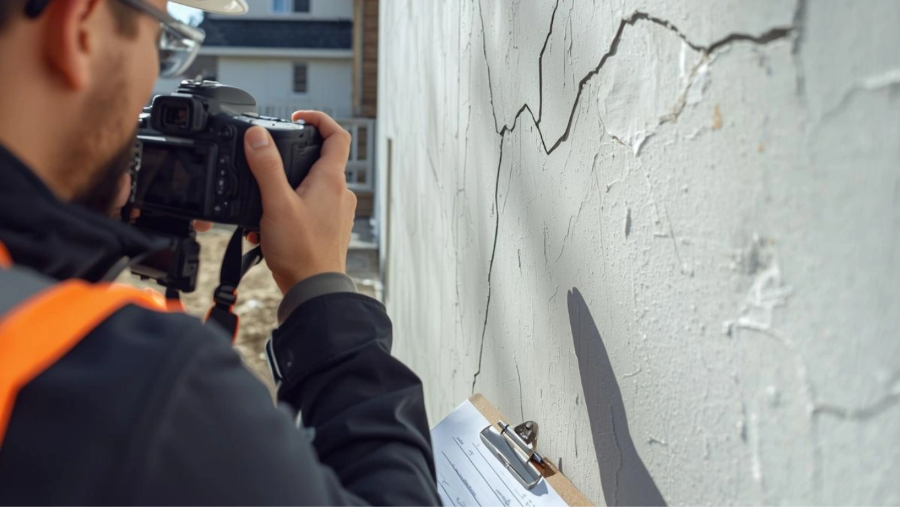
A dilapidation report is the process of examining and documenting the current condition of a structure or property prior to nearby construction, excavation, or demolition. The resulting document — a dilapidation survey report — includes photographs, written descriptions, measurements, and professional observations about existing cracks, defects, or structural wear.
This detailed record serves as a baseline so that any potential changes or damages caused by construction activities can be clearly identified later. A dilapidation report is widely used in residential, commercial, and civil engineering projects.
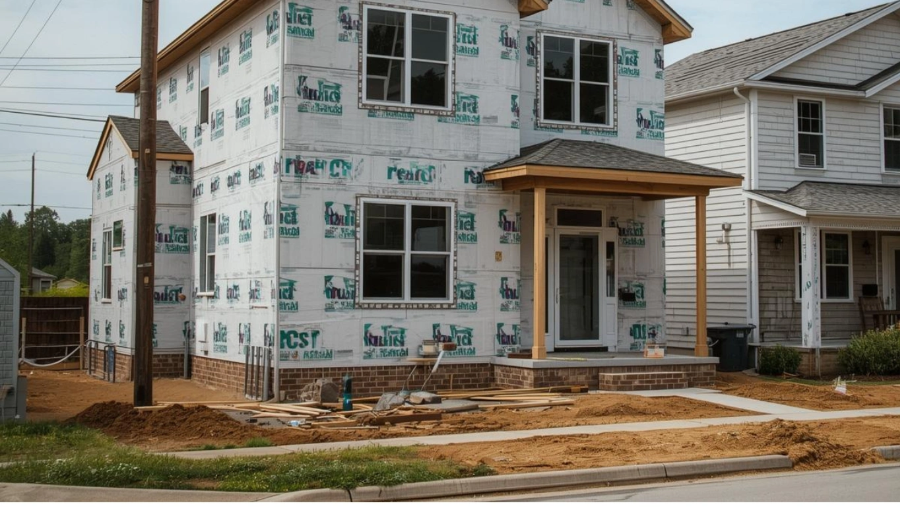
Importance of Dilapidation Survey
A dilapidation survey plays a vital role in protecting both property owners and construction contractors. Its importance lies in its ability to:
- Prevent legal disputes by providing a neutral, third‑party assessment
- Protect builders from false or costly damage claims
- Protect neighbouring property owners from construction‑related damage
- Establish a clear baseline for future inspections
- Safeguard financial interests for all stakeholders
Without a proper dilapidation report, disputes about structural damage can become complex and expensive. A professionally prepared survey provides clarity, evidence, and accountability.
Who Needs a Dilapidation Survey Report?
A dilapidation survey report is recommended — and often required — for a wide range of individuals and organisations, including:
1. Property Owners
Homeowners near a construction zone should secure a dilapidation report to ensure their home is protected against accidental damage.
2. Builders and Contractors
Construction companies benefit from a dilapidation report as it protects them from unfounded damage claims during or after their work.
3. Developers
Large‑scale developments can impact surrounding infrastructure. Developers often commission multiple dilapidation inspections to maintain compliance and protect against liability.
4. Councils and Local Authorities
Government bodies may require a dilapidation report for roadworks, infrastructure upgrades, or excavation projects.
5. Strata and Body Corporates
Multi‑dwelling properties often need dilapidation surveys to protect common areas and shared structures.
What Does a Dilapidation Survey Report Include?
A high‑quality dilapidation survey report contains comprehensive and detailed documentation, typically including:
- Photographs of all relevant areas
- Descriptions of existing defects (cracks, leaks, subsidence, distortion)
- Measurements of structural changes or cracks
- Annotated diagrams or site plans
- Inspection notes detailing observations
- Assessment of potential risks due to the upcoming construction
- Recommendations, if applicable
A thoroughly documented report ensures maximum clarity and reduces ambiguity.
How is a Dilapidation Report Prepared?
Although every project is unique, the process of preparing a dilapidation report generally follows these key steps:
1. Initial Consultation
The inspector gathers project information — such as type of construction, location, and expected impacts.
2. On‑Site Dilapidation Inspection
A detailed dilapidation inspection is conducted by a trained building inspector. They examine the property’s interior and exterior and record all existing conditions.
3. Documentation & Evidence Collection
High‑resolution photographs, videos, and written notes are taken to document each area thoroughly.
4. Report Compilation
All findings are compiled into a professional dilapidation report, including maps, images, and detailed observations.
5. Delivery & Review
The final report is delivered to stakeholders, who can review and discuss the findings.
Jim’s Building Inspections follows a rigorous process to ensure accuracy, transparency, and reliability in every report.
When Should You Get a Dilapidation Inspection?
You should obtain a dilapidation inspection before any construction activity that may affect neighbouring properties. Common scenarios include:
- Residential construction or renovation
- Commercial building projects
- Excavation and foundation works
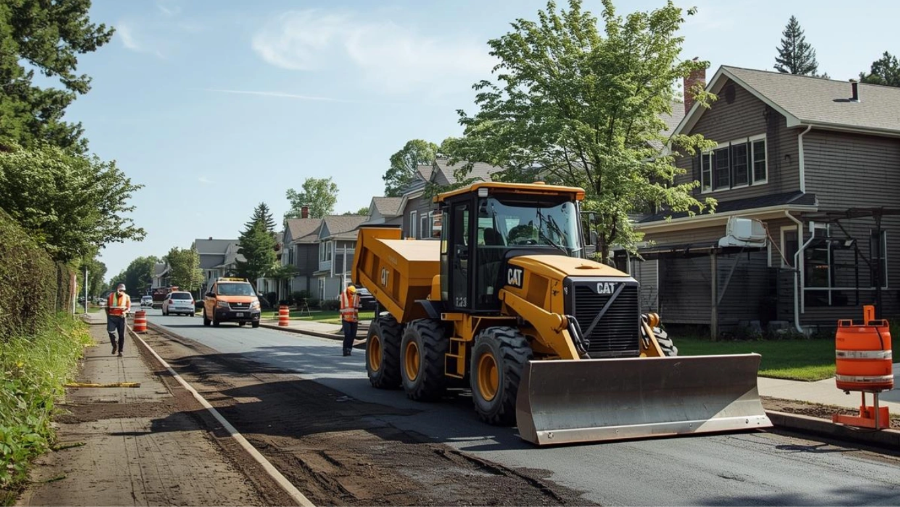
- Roadworks and infrastructure upgrades
- Demolition of adjacent buildings
- Major landscaping or earthworks
If you live near or manage a property close to these types of works, a dilapidation report is highly recommended for your protection.
Benefits of Dilapidation Survey
A dilapidation survey offers numerous advantages, including:
1. Risk Management
Identifies pre‑existing defects and helps predict potential risks during construction.
2. Legal Protection
Acts as a legally recognised document to support dispute resolution.
3. Clear Communication
Ensures all parties understand the baseline condition of the property.
4. Prevents Disputes
With transparent documentation, misunderstandings are significantly reduced.
5. Peace of Mind
Property owners know their investment is protected throughout the construction process.
Cost of a Dilapidation Report
The dilapidation report cost varies depending on several factors:
- Size of the property (larger buildings require more documentation)
- Type of construction project
- Complexity of the inspection
- Location (urban vs rural)
- Accessibility of different property areas
On average, a dilapidation report cost may range from a few hundred to several thousand dollars, depending on project size and requirements. Jim’s Building Inspections offers transparent pricing and customised quotes based on your specific needs.
Validity and Updates of Dilapidation Survey Reports
A dilapidation survey is usually valid for the entire duration of a construction project. However, updates may be required when:
- There are significant delays before work begins
- Construction plans change
- Additional works are introduced
- A dispute arises requiring updated evidence
A follow‑up dilapidation inspection is often recommended after construction is complete to compare the before‑and‑after condition.
Dilapidation Report and Dispute Resolution
A dilapidation report is one of the strongest tools for resolving construction‑related disputes. By providing:
- Clear evidence of pre‑construction conditions
- Independent, unbiased documentation
- Photographic proof of any structural changes
These reports effectively reduce conflict and support fair decision‑making. In legal proceedings, a dilapidation survey report is frequently used as a reliable reference document.
Legal Requirements for Dilapidation Report
In many Australian states, a dilapidation report is:
- Required by councils for developments such as excavation, demolition, and large-scale construction
- Mandated for infrastructure and government projects
- Required under planning permits in some jurisdictions
- Recommended under risk management guidelines for builders and developers
While not always legally mandatory, failing to obtain a dilapidation report can expose parties to financial and legal risks.
How Jim’s Building Inspections Helps with Dilapidation Report
Jim’s Building Inspections is one of Australia’s most trusted providers of a dilapidation report. They offer:
- Experienced, qualified building inspectors
- Comprehensive photo and video documentation
- Detailed, easy‑to‑understand reports
- Fast turnaround times
- Reliable customer support
- Transparent pricing
Whether you are a homeowner, builder, or developer, Jim’s Building Inspections ensures your project is backed by professional, accurate, and defensible reporting.
Interpreting Dilapidation Reports
Understanding a dilapidation report is straightforward when you know what to look for. Key elements include:
- Photographs showing the initial state of the property
- Annotations that point to cracks, wear, or structural issues
- Descriptions that explain the nature of each defect
- Comparisons between different inspection stages (if applicable)
- Inspector notes summarising potential risk areas
If you’re unsure how to interpret a report, Jim’s Building Inspections offers guidance and support to help you understand your results clearly.
Conclusion
A dilapidation report is a crucial part of responsible construction and property management. It provides essential protection for property owners, builders, developers, and councils by documenting the condition of a property before construction begins. From preventing disputes to offering legal and financial security, a dilapidation survey is an investment in peace of mind.
Jim’s Building Inspections delivers reliable, professional, and thorough dilapidation reports designed to safeguard your property and support successful project outcomes.
Frequently Asked Questions
It protects property owners by documenting pre‑existing conditions, helping verify whether any new damage occurred during construction.
Generally for the duration of the construction project, though updates may be recommended if there are major delays or changes.
Yes. Its detailed documentation provides clear evidence in the event of a dispute.
It identifies potential risks and ensures all parties understand existing property conditions.
They are highly recommended for significant renovations, especially when work may affect neighbouring structures.
Most inspections take under a few hours, depending on property size and complexity.
Yes — landlords, tenants, and property managers often commission them to protect their investment.
A building inspection assesses property defects, while a dilapidation survey documents existing conditions before external construction impacts.
Cracks, settlement, water damage, structural movement, wear and tear, and surface deterioration.