
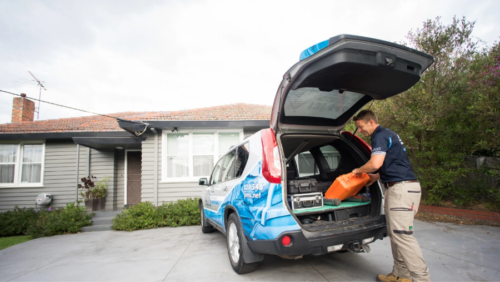
A building inspection is a professional assessment of a property’s condition, carried out by a qualified Building Inspector to identify structural issues, safety hazards, and maintenance concerns. But what is building inspection really about, and why is it such a critical step when buying, selling, or owning property in Australia?
At its core, a building inspection provides peace of mind. It helps homeowners, investors, and property buyers understand the true condition of a building beyond what’s visible on the surface. From hidden structural damage to electrical faults or moisture problems, inspections reveal risks that could otherwise lead to costly repairs or safety concerns.
For Australian property buyers, understanding what is building inspection means making informed decisions. For sellers, it’s about transparency and trust. And for property owners, it’s about protecting longterm value. With property prices continuing to rise across Australia, a professional inspection is no longer optional—it’s essential.
Why Are Building Inspections Important?
Building inspections play a vital role throughout the property lifecycle. Whether you’re purchasing your first home, preparing to sell, or managing an investment property, inspections protect your financial and personal interests.
Avoiding Hidden Problems
One of the biggest reasons building inspections matter is their ability to uncover hidden defects. Issues such as termite infestations, rising damp, mould growth, structural movement, or plumbing and electrical concerns are often not visible during a casual walkthrough.
A trained Building Inspector knows where to look and what to test. Identifying these problems early can save tens of thousands of dollars in repair costs and prevent small issues from turning into major structural failures.
Ensuring Property Safety
Beyond financial protection, inspections are critical for safety. A building inspection ensures the property is safe to occupy by identifying hazards such as faulty wiring, unstable structures, poor ventilation, or noncompliant building work.
Understanding what is building inspection also means understanding that safety isn’t just about today—it’s about longterm liveability for you, your family, or future tenants.
What Does a Building Inspection Cover?
Understanding what does a building inspection cover helps property buyers and owners know exactly what to expect from the inspection and report. In Australia, most building inspections are noninvasive, visual inspections, meaning the Building Inspector assesses all accessible areas of the property without damaging or dismantling building components.
The inspection focuses on identifying visible defects, safety risks, and signs of structural issues that could impact the property’s condition, value, or liveability.
Important note: Building inspections do not involve invasive testing or specialist trade assessments unless specifically requested.
Exterior and Interior Inspections
A standard building inspection includes a thorough visual assessment of both the exterior and interior of the property, including:
- Foundations, footings, and visible structural elements
- External walls, cladding, windows, and doors
- Roof coverings, gutters, and downpipes (where safely accessible)
- Internal walls, ceilings, and floors
- Subfloor areas and roof voids (where accessible)
- Signs of moisture ingress, cracking, or movement
Plumbing and electrical systems are also inspected at a visual level only. This means the Building Inspector looks for visible signs of damage, deterioration, leaks, corrosion, or noncompliant installations. However, inspections do not include:
- Pressure testing of pipes
- CCTV drain inspections
- Electrical load testing or switchboard dismantling
If concerns are identified, further assessment by licensed plumbers or electricians is strongly recommended. This approach ensures safety while maintaining the integrity of the property.
This clarification is a key part of understanding what does a building inspection cover versus what requires specialist services.
Detailed Report and Findings
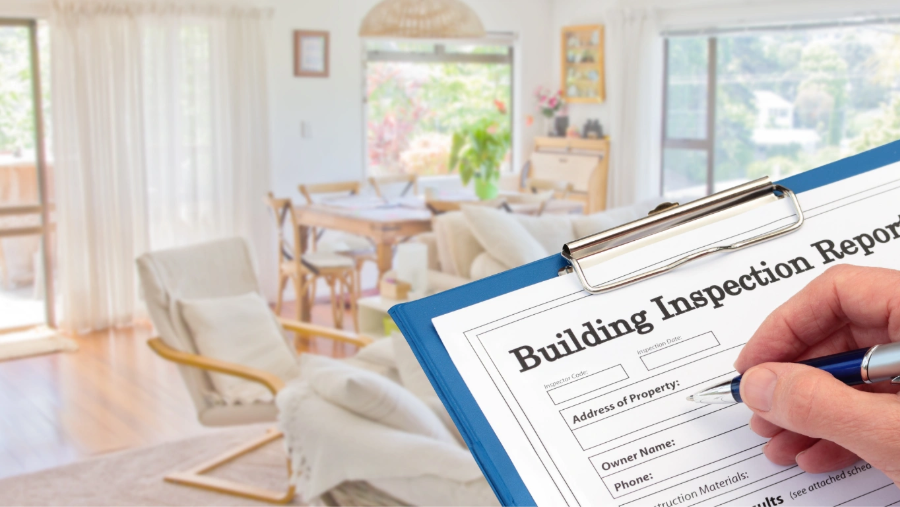
After the inspection, the Building Inspector provides a comprehensive written report outlining:
- Observed defects and maintenance issues
- The severity and potential impact of each issue
- Safety concerns requiring urgent attention
- Recommendations for further specialist inspections where necessary
The report is designed to support informed decisionmaking, whether you’re negotiating a purchase, planning repairs, or budgeting for future maintenance. Clear explanations and photographs help clients understand the findings without technical confusion.
Types of Building Inspections
There are several types of building inspections, each designed for different stages of property ownership. Knowing which inspection you need ensures the right level of protection.
PrePurchase Building Inspections
A prepurchase inspection is one of the most common types of building inspections. It helps buyers understand a property’s condition before committing financially.
This inspection highlights defects, safety concerns, and future maintenance needs, allowing buyers to negotiate repairs or price adjustments—or walk away if necessary.
PreSale Building Inspections
Sellers can benefit greatly from a presale inspection. By identifying and addressing issues before listing, sellers can present the property in the best possible condition and avoid lastminute surprises during buyer negotiations.
Commercial Building Inspections
Commercial inspections cater to offices, warehouses, retail spaces, and industrial properties. These types of building inspections ensure compliance with safety regulations, building codes, and workplace standards.
Building and Pest Inspections
A combined building and pest inspection focuses on both structural integrity and pest activity, including termites. In Australia, termite damage is a major risk, making this inspection especially valuable.
The Building Inspection Process
Understanding the building inspection process helps property owners and buyers know what to expect from start to finish.
Booking an Inspection
The first step in the building inspection process is booking with a professional and experienced Building Inspector. Choosing a reputable provider like Jim’s Building Inspections ensures the inspection meets Australian standards.
Inspection Day
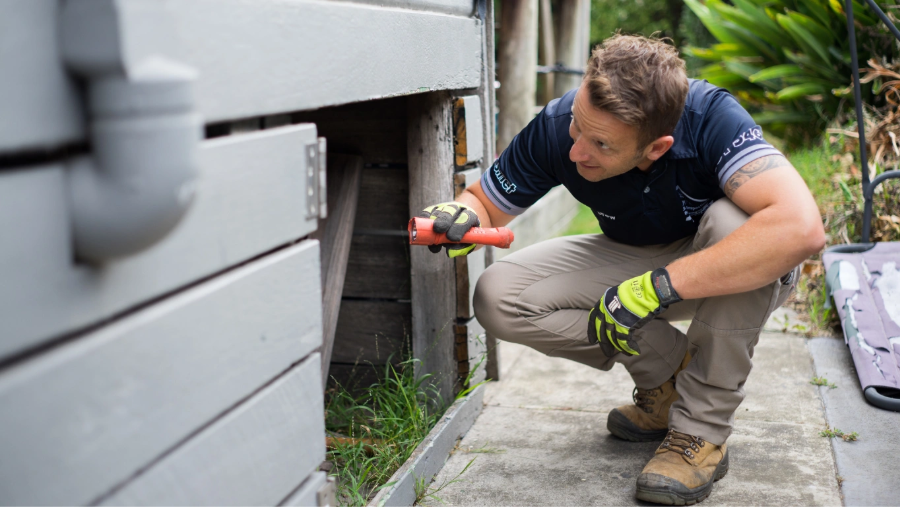
On inspection day, the inspector attends the property and systematically examines all accessible structural and nonstructural components. This stage of the building inspection process typically takes several hours, depending on property size and complexity.
Reviewing the Report
After the inspection, you’ll receive a comprehensive report outlining findings, recommendations, and potential solutions. This final stage of the building inspection process is where informed decisions are made—whether to proceed with a purchase, negotiate repairs, or plan maintenance.
How to Choose a Building Inspector?
Selecting the right Building Inspector is just as important as the inspection itself.
Credentials and Experience
Always choose a licensed inspector with relevant qualifications and experience. A skilled Building Inspector understands Australian building standards, construction methods, and regional risks such as termites or soil movement.
Reputation and Reviews
Reviews and testimonials provide insight into an inspector’s reliability and professionalism. A strong reputation indicates consistent quality, thorough reporting, and customer satisfaction.
Benefits of Choosing Jim’s Building Inspections
Jim’s Building Inspections Australia is a trusted name nationwide, known for professionalism, reliability, and detailed reporting.
Comprehensive and Detailed Reports
Jim’s Building Inspections provide easytounderstand reports that clearly outline property conditions. Clients gain confidence knowing exactly what a building inspection covers and what actions may be required.
Experienced Inspectors
Every Building Inspector at Jim’s is fully trained and experienced in identifying hidden defects. Their local knowledge across Australian regions adds another layer of confidence.
Quick Turnaround Time
Fast service and prompt reporting mean you don’t have to delay important property decisions. Jim’s Building Inspections help you move forward with clarity and confidence.
Common Issues Found During Building Inspections
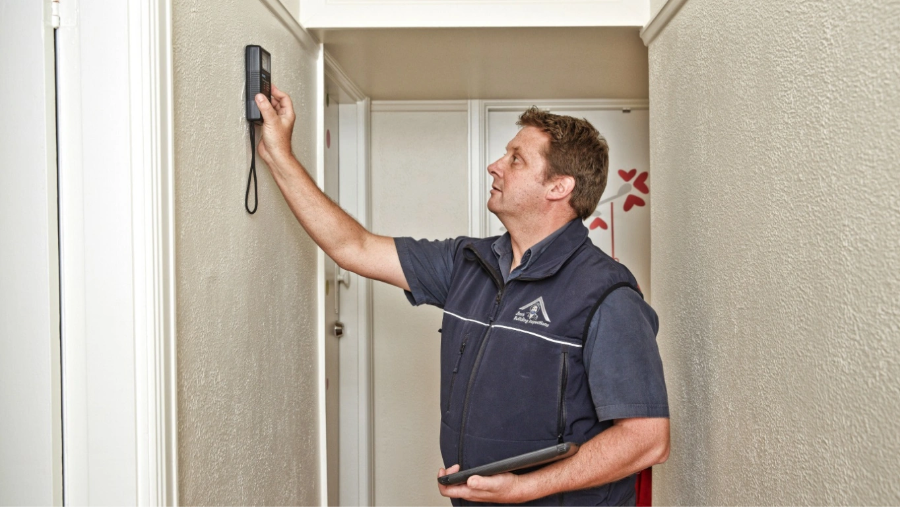
Even wellmaintained properties can have hidden issues. Some of the most common problems identified during inspections include:
Cracks in the Foundation
Foundation cracks may indicate structural movement or soil instability. Left unaddressed, these issues can compromise the building’s safety and value.
Roof Leaks
Roof leaks often lead to water damage, mould growth, and timber decay. Early detection prevents costly repairs and interior damage.
Moisture and Dampness Issues
Moisture ingress and rising damp are common issues found during building inspections and can indicate underlying problems such as poor drainage, waterproofing failures, or plumbing leaks. If left untreated, excess moisture can lead to mould growth, timber deterioration, and longterm structural damage, affecting both the safety and value of the property.
How Building Inspections Can Save You Money
While some buyers worry about building inspection cost, inspections often save far more money than they cost.
Identifying Hidden Issues Early
Discovering major defects early allows buyers to negotiate better purchase prices or request repairs. In many cases, the building inspection cost is recovered many times over through negotiation savings.
LongTerm Property Care
Understanding your property’s condition helps you budget for future maintenance. This proactive approach avoids emergency repairs and extends the building’s lifespan, making the building inspection cost a smart longterm investment.
Conclusion
So, what is building inspection really about? It’s about protection, clarity, and confidence. Whether you’re buying, selling, or maintaining a property, building inspections ensure safety, preserve value, and support informed decisionmaking.
Regular inspections help Australian property owners avoid unexpected expenses, meet safety standards, and protect one of their most valuable assets. With experienced professionals like Jim’s Building Inspections, you gain peace of mind knowing your property has been thoroughly assessed by experts who understand local conditions.
FAQs
Most residential inspections take between 2–4 hours, depending on the size and condition of the property.
The building inspection cost varies based on property size, location, and inspection type. However, it’s a small investment compared to potential repair costs.
Yes. New builds can still have defects, incomplete work, or noncompliance issues.
Property owners should consider inspections every 3–5 years or before major renovations.
Yes. Postpurchase inspections help identify maintenance needs and safety concerns.
A building inspection focuses on structural and safety issues, while pest inspections focus on termites and other pests.
They are not always legally required but are strongly recommended for risk management.
A clean inspection report can increase buyer confidence, while identified issues allow realistic pricing.
Yes. Commercial inspections ensure safety compliance and protect business operations.