

Buying, selling, or owning a home is one of the biggest financial commitments Australians make. Yet, many costly property issues remain hidden beneath surfaces until it’s too late. This is where a residential building inspection becomes not just helpful, but essential.
A professional inspection provides an in-depth assessment of a property’s condition, identifying structural issues, safety concerns, and maintenance risks before they escalate into expensive problems. Whether you are a first-time buyer, a seasoned investor, a seller preparing a property for market, or a homeowner planning long-term maintenance, a residential building inspection offers clarity and confidence.
In Australia’s diverse climate—ranging from coastal humidity to extreme heat—homes are exposed to conditions that can accelerate deterioration. Engaging expert house inspection services ensures you understand the true condition of a property and can make informed decisions with peace of mind.
What Is a Residential Building Inspection?
A residential building inspection is a thorough, non-invasive assessment of a home conducted by a qualified building inspector. Its purpose is to evaluate the structural integrity, safety, and overall condition of a residential property.
During a home building inspection, the inspector examines visible and accessible areas of the property to identify defects, construction issues, and maintenance concerns. The findings are then compiled into a comprehensive property inspection report, outlining defects, potential risks, and recommended actions.
This process is particularly important in-home inspection Australia, where building standards, materials, and environmental conditions vary significantly between regions.

What Areas of a Home Are Inspected?
A standard residential property inspection typically covers the following key areas:
Internal Areas
- Walls, ceilings, floors, and skirting boards
- Doors, windows, and staircases
- Bathrooms, kitchens, and laundries
- Signs of moisture damage, cracking, or movement
External Areas
- Brickwork, cladding, and rendered surfaces
- Driveways, paths, fencing, and retaining walls
- Drainage and water runoff points
Roof and Roof Space
- Roof coverings, gutters, and downpipes
- Roof framing and insulation
- Evidence of leaks or structural sagging
Subfloor Areas
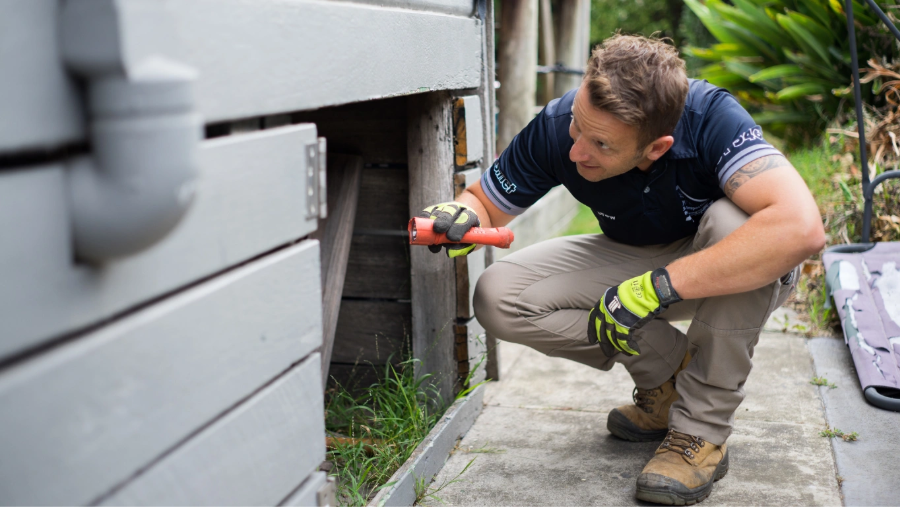
- Stumps, piers, and footings
- Ventilation and moisture levels
- Signs of timber deterioration or movement
Structural Components
- Load-bearing walls
- Foundations
- Overall structural stability
Inspectors use a structured building inspection checklist to ensure no critical elements are overlooked during the inspection process.
What Is Not Included in a Standard Inspection?
While a residential building inspection is comprehensive, it does have limitations. Typically, inspectors do not:
- Move furniture, stored items, or floor coverings
- Inspect underground services such as plumbing or electrical wiring
- Conduct invasive or destructive testing
- Assess purely cosmetic imperfections that do not impact performance
- Guarantee future performance of materials or structures
Understanding these exclusions helps manage expectations and highlights the importance of engaging complementary inspections when required.
Why Is a Residential Building Inspection Important?
A professional inspection is not just about identifying visible defects—it’s about understanding risk. A detailed home building inspection provides insight into a property’s current condition and potential future issues.
By commissioning a residential property inspection, you gain the information needed to make informed financial and safety decisions, avoiding unexpected repair costs and structural failures.
Protecting Your Property Investment
Property purchases involve significant financial risk. A residential building inspection helps reduce that risk by uncovering hidden defects before settlement.
Key financial benefits include:
- Avoiding unexpected repair expenses
- Negotiating purchase price based on inspection findings
- Budgeting for future maintenance and upgrades
- Preventing investment in structurally compromised properties
The relatively small cost of inspection can save thousands in unforeseen repairs, making it a smart investment rather than an expense.
Ensuring Safety and Structural Integrity
Beyond finances, safety is a critical concern. A professional inspection can identify hazards such as:
- Structural cracking or movement
- Moisture ingress and mould growth
- Roof instability or timber deterioration
- Inadequate drainage leading to foundation issues
Engaging qualified house inspection services ensures your home meets basic safety standards and remains structurally sound for years to come.
When Should You Get a Residential Building Inspection?
There are several key situations where a residential building inspection is strongly recommended.
Before Buying a Property
A pre-purchase home building inspection is one of the most important steps in the buying process. It allows buyers to:
- Understand the true condition of the property
- Identify major and minor defects
- Make informed decisions before committing financially
Armed with a detailed property inspection report, buyers can proceed confidently, renegotiate, or walk away if necessary.
Before Selling a Home
Sellers can also benefit significantly from a residential property inspection. Identifying issues early allows sellers to:
- Address defects before listing
- Avoid surprises during buyer inspections
- Strengthen buyer confidence
- Reduce last-minute negotiation issues
A pre-sale inspection can streamline the sales process and support a smoother transaction.
For Ongoing Home Maintenance
For existing homeowners, routine inspections are an effective preventative strategy. Regular inspections help:
- Identify early signs of deterioration
- Plan maintenance and repairs proactively
- Extend the lifespan of the property
- Maintain property value over time
In the Australian climate, ongoing inspections are particularly valuable for detecting moisture-related issues and structural movement.
What Does a Residential Building Inspection Report Include?
A professional property inspection report provides a detailed summary of the inspector’s findings in a clear, structured format.
Major Structural Defects
Major issues are clearly highlighted and may include:
- Foundation movement or subsidence
- Severe cracking in walls or ceilings
- Roof damage or structural failure
- Significant moisture ingress
These defects often require urgent attention and can significantly impact property value and safety.
Minor Defects and Maintenance Issues
Minor issues typically relate to general wear and tear, such as:
- Minor cracking
- Failing sealants
- Ventilation problems
- Early signs of moisture damage
While not immediately dangerous, these issues should be addressed to prevent escalation.
Photos and Expert Recommendations
Most professional house inspection services include:
- High-quality photographs
- Clear descriptions of each defect
- Practical recommendations for repairs or further assessment
This visual documentation makes the report easy to understand, even for non-technical readers.
How Much Does a Residential Building Inspection Cost?
The cost of a residential building inspection in Australia varies depending on several factors. Generally, prices range from $400 to $800, depending on the property and inspection scope.
Factors That Influence Inspection Costs
Common factors affecting price include:
- Size and type of property
- Location (metro vs regional)
- Age of the home
- Accessibility of roof and subfloor
- Additional inspection requirements
While cost is important, choosing experienced inspectors who deliver thorough reports offers greater long-term value.
Why Choose Jim’s Building Inspections?
Jim’s Building Inspections is a trusted name across Australia, known for professionalism, consistency, and reliability.
Qualified and Experienced Inspectors
Jim’s inspectors are:
- Fully trained and qualified
- Experienced in Australian building standards
- Equipped with industry-leading tools
- Committed to high professional standards
Their expertise ensures every residential building inspection is conducted thoroughly and accurately.
Detailed Same-Day Reports
One of the standout benefits is fast turnaround. Jim’s provides:
- Clear, easy-to-read reports
- Same-day delivery in most cases
- Comprehensive photographic evidence
- Actionable recommendations
This allows clients to make timely decisions without delays.
Australia-Wide Service Coverage
With inspectors across major cities and regional areas, Jim’s delivers reliable home inspection Australia services nationwide. Whether metropolitan or rural, professional inspections are easily accessible.
How to Book a Residential Building Inspection
Booking with Jim’s Building Inspections is simple:
- Contact your local Jim’s inspector
- Schedule a suitable inspection time
- Receive your detailed report promptly
The streamlined process ensures minimal disruption while delivering maximum insight into your property.
Conclusion
A residential building inspection is an essential step in protecting your property, finances, and safety. From identifying hidden defects to supporting informed decisions, inspections provide clarity in an often-complex property market.
Whether buying, selling, or maintaining a home, professional inspections offer peace of mind and long-term value. With experienced inspectors, detailed reports, and nationwide coverage, Jim’s Building Inspections makes the process straightforward and reliable.
Taking proactive steps today can prevent costly surprises tomorrow.
FAQ’s
No, building inspections are not legally mandatory, but they are strongly recommended before purchasing or selling a property.
Yes, most inspectors encourage attendance, as it allows you to ask questions and better understand the findings.
A building inspection assesses structural and safety issues, while a pest inspection focuses on termites and other timber pests.
Yes, accessible roof areas are inspected as part of a standard home building inspection.
Absolutely. A detailed property inspection report can support price negotiations or repair requests.
Yes. Even new homes can have construction defects that should be identified early.
Every 3–5 years is recommended, or sooner if signs of damage appear.
Yes. Pre-sale inspections allow sellers to address issues early and improve buyer confidence.