
Buying a home is one of the biggest financial decisions most Australians will ever make. While location, price, and layout often dominate buyer attention, one critical issue is frequently overlooked — asbestos. In many older Australian homes, asbestos remains a hidden risk that can affect your health, renovation plans, and long‑term costs.
An asbestos survey before buying a house allows buyers to identify potential asbestos‑containing materials before settlement. Without this knowledge, purchasers may unknowingly inherit expensive remediation work or serious health hazards.
In this guide, we explain why asbestos remains a concern in Australia, how inspections work, where asbestos is commonly found, and how a pre‑purchase asbestos survey can help protect your investment.
What Is an Asbestos Survey Before Buying a House?
An asbestos survey before buying a house is a specialist inspection designed to identify materials that may contain asbestos and assess their condition and risk level before you commit to purchasing a property.
Often conducted alongside a pre‑purchase building inspection, an asbestos property survey focuses on:
- Identifying likely asbestos‑containing materials (ACMs)
- Assessing whether materials are damaged, deteriorating, or stable
- Highlighting areas that may pose health or renovation risks
- Providing guidance on management, monitoring, or removal
For Australian buyers considering older homes, a pre purchase asbestos survey offers critical insight that standard inspections may not fully cover.
Why Australian Home Buyers Should Check for Asbestos
Asbestos is no longer used in residential construction, but it remains present in many Australian properties built decades ago. Failing to conduct an asbestos inspection before purchase can expose buyers to serious risks.
Health Risks from Disturbed Asbestos
When asbestos‑containing materials are intact and undisturbed, they may pose minimal risk. However, once damaged or disturbed, asbestos fibres can become airborne and inhaled.
Long‑term exposure has been linked to serious illnesses, including:
- Asbestosis
- Lung cancer
- Mesothelioma
Activities such as drilling, sanding, cutting, or demolition can release fibres without visible warning, making asbestos checks before buying a home essential.
Unexpected Repair and Renovation Costs
Many buyers plan renovations after purchase. If asbestos is discovered mid‑project, work may need to stop immediately while licensed removalists are engaged.
Asbestos removal in Australia can be costly, particularly if large areas or difficult‑to‑access materials are involved. A residential asbestos inspection before purchase helps buyers avoid unexpected financial strain.
Which Homes Are Most Likely to Contain Asbestos?
Understanding which properties carry higher asbestos risk helps buyers make informed decisions.
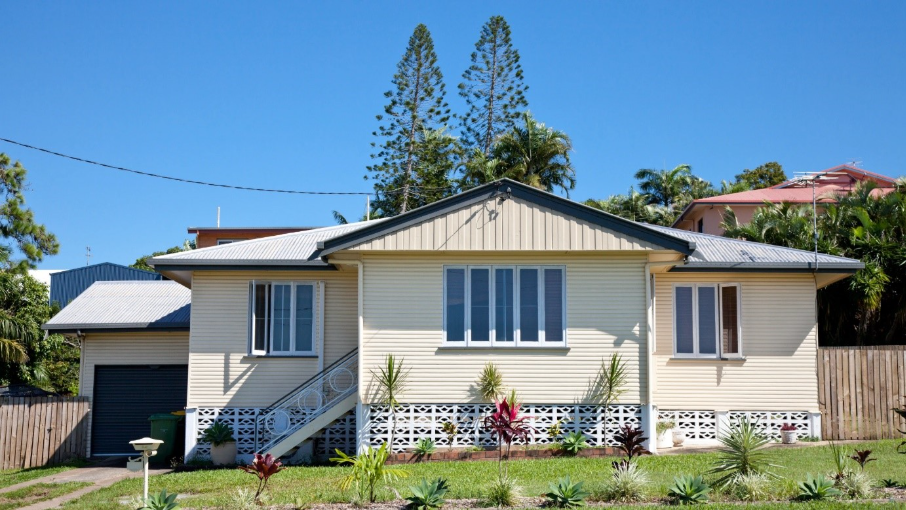
Homes Built Before the 1990s
In Australia, asbestos was widely used in residential construction until the late 1980s and early 1990s. Properties built before this period are more likely to contain asbestos products, including:
- Fibro cement sheeting
- Insulation boards
- Vinyl flooring and adhesives
Buying a house with asbestos in Australia is not uncommon — especially in established suburbs.
Renovated Older Properties
Even renovated homes may still contain asbestos. Cosmetic upgrades often leave original materials hidden behind new finishes. An asbestos check before buying a home ensures no overlooked areas remain.
Common Areas Where Asbestos May Be Found
During a house inspection asbestos risks assessment, inspectors commonly identify asbestos in the following locations.
Roofing, Eaves, and External Cladding
Asbestos cement sheeting was extensively used for:
- Roof panels
- Eaves and soffits
- External wall cladding
These materials can degrade over time due to weather exposure.
Bathrooms, Laundries, and Kitchens
Wet areas are common asbestos hotspots, including:
- Wall linings
- Vinyl flooring
- Tile backing boards
- Adhesives
Moisture and wear can increase the likelihood of fibre release if disturbed.
Garages, Fences, and Sheds
Outbuildings often contain asbestos sheeting, particularly in:
- Garage walls and ceilings
- Fence panels
- Garden sheds
These areas are frequently overlooked during casual inspections.
What Happens During an Asbestos Survey Before Buying a House?
A professional asbestos survey follows a structured process to provide buyers with clear, actionable information.
Visual Inspection of the Property
Inspectors visually assess the property based on:
- Building age
- Construction methods
- Material appearance
- Location of suspect products
This stage identifies areas requiring further investigation.
Sampling and Laboratory Testing
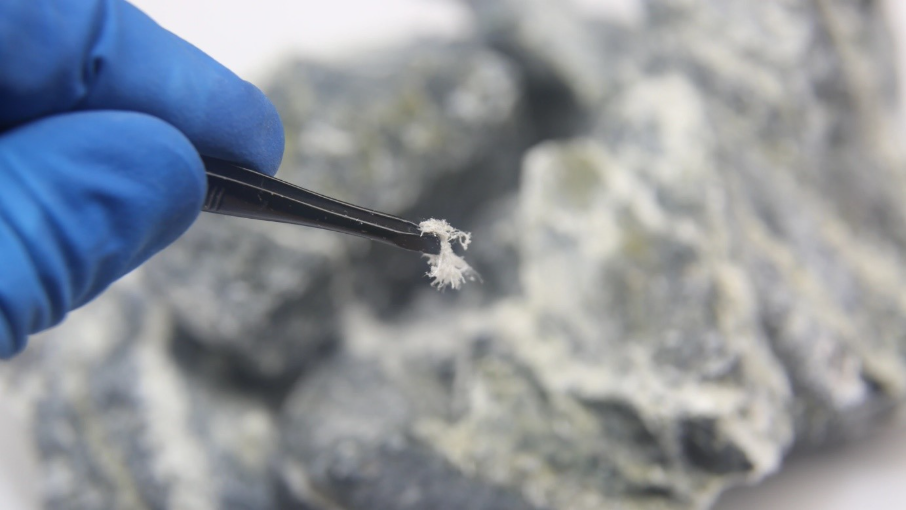
When necessary and safe, small samples may be collected and sent to accredited laboratories for confirmation. Sampling is performed using strict safety protocols to minimise fibre release.
Condition and Risk Assessment
Inspectors assess whether materials are:
- Intact and stable
- Minorly damaged
- Severely deteriorated
- Likely to be disturbed during normal use or renovation
This risk‑based approach helps buyers prioritise next steps.
Detailed Buyer Report
The final report outlines:
- Locations of suspected or confirmed asbestos
- Condition and risk ratings
- Recommendations for management, monitoring, or removal
This document becomes a valuable decision‑making tool during the buying process.
What If Asbestos Is Found Before You Buy?
Discovering asbestos doesn’t automatically mean walking away. Buyers have several options.
Negotiate the Purchase Price
An asbestos report can support price negotiations by highlighting potential remediation costs. Buyers may seek a reduced purchase price to offset future expenses.
Request Further Specialist Advice
In some cases, buyers may obtain:
- Licensed asbestos removal quotes
- Asbestos management plans
- Specialist risk assessments
This information provides greater certainty before proceeding.
Decide Whether to Proceed or Walk Away
For properties with widespread or deteriorating asbestos, buyers may decide the risks outweigh the benefits. Having this knowledge before settlement protects both finances and health.
How Jim’s Building Inspections Australia Can Help
Jim’s Building Inspections Australia supports buyers with thorough inspections designed to uncover hidden risks before purchase.
Pre‑Purchase Inspection Support
A comprehensive pre purchase building inspection can identify asbestos concerns alongside structural, safety, and maintenance issues. This holistic approach ensures buyers understand the full condition of the property.
Clear Reports and Expert Guidance
Jim’s inspectors provide clear, easy‑to‑understand reports that outline findings without unnecessary jargon. Buyers receive practical guidance to help them act confidently and quickly during negotiations.
Tips for Buying a House with Asbestos Safely
If you’re considering purchasing an older home, these tips can help manage asbestos risks.
Budget for Future Removal or Management
Even stable asbestos may require future management or removal. Buyers should factor these costs into their long‑term ownership budget.
Avoid DIY Disturbance
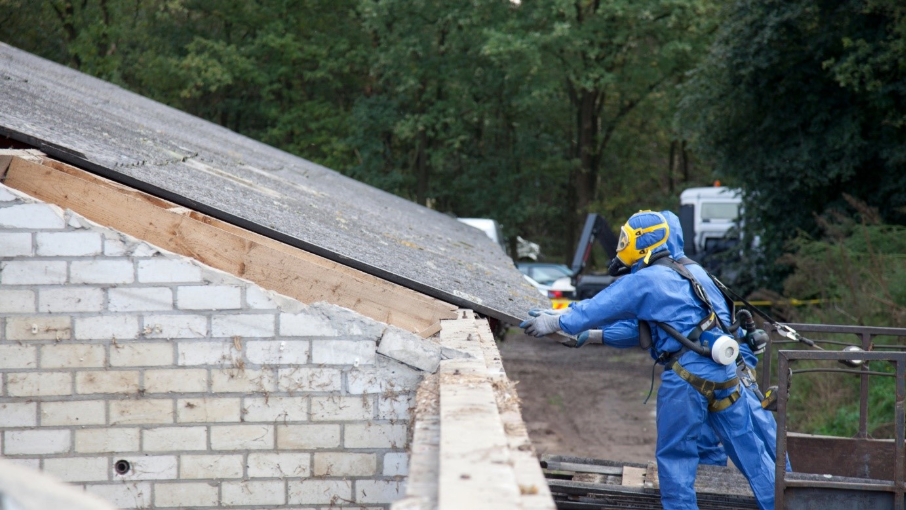
Never cut, sand, drill, or remove suspected asbestos materials yourself. DIY disturbance significantly increases health risks and may breach safety regulations.
Conclusion: Get an Asbestos Survey Before Buying a House
An asbestos survey before buying a house is a vital step for Australian property buyers, particularly when purchasing older homes. Early identification helps protect your health, avoids costly surprises, and strengthens your negotiating position.
With professional guidance from Jim’s Building Inspections Australia, buyers can move forward with confidence, knowing they’ve uncovered potential asbestos risks before committing to one of life’s biggest investments.
Frequently Asked Questions
While not legally mandatory, an asbestos survey is strongly recommended for homes built before the 1990s to identify potential health and financial risks.
Yes. Many buyers purchase homes with asbestos, provided they understand the condition, risks, and future management or removal costs.
Costs vary depending on location, quantity, accessibility, and material type. Removal can range from a few thousand dollars to significantly more for extensive contamination.
Intact and undisturbed asbestos may pose minimal risk. However, deterioration or disturbance can release harmful fibres.
Yes. An asbestos inspection report can support negotiations by highlighting remediation costs or required safety measures.