
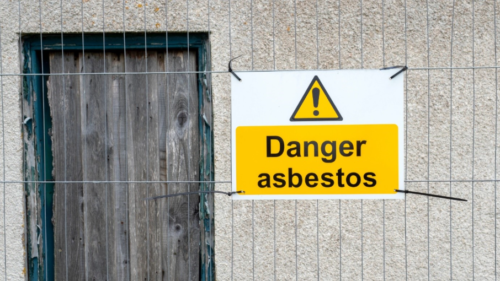
Asbestos remains one of the most serious hidden risks in older commercial properties across Australia. While its use was banned nationally in 2003, asbestos‑containing materials (ACMs) are still commonly found in offices, warehouses, retail premises, factories, and public buildings constructed decades earlier. For business owners, property managers, and investors, understanding the asbestos inspection process is essential to protecting occupants, meeting workplace health and safety obligations, and avoiding costly disruptions.
A commercial asbestos inspection is not just a box‑ticking exercise. It is a structured, professional assessment designed to identify potential asbestos risks, evaluate their condition, and provide clear guidance on how those risks should be managed. Whether you are planning renovations, purchasing a commercial property, or ensuring ongoing compliance, knowing what happens during an inspection can help you make informed decisions with confidence.
This guide explains the full asbestos inspection process for commercial buildings in Australia, what inspectors check, and what happens if asbestos is identified.
What Is the Asbestos Inspection Process?
The asbestos inspection process is a systematic approach used to identify suspected asbestos‑containing materials within a building, assess the level of risk they pose, and recommend appropriate management or removal actions.
In a commercial setting, this process typically includes:
- Reviewing the age, use, and construction history of the building
- Inspecting accessible areas where asbestos is commonly found
- Collecting samples for laboratory testing when required
- Conducting an asbestos risk assessment based on condition and disturbance likelihood
- Providing a detailed commercial property asbestos report with findings and recommendations
A professional asbestos inspection commercial building assessment helps ensure that asbestos risks are identified early and managed correctly, reducing exposure risks for everyone who uses the premises.
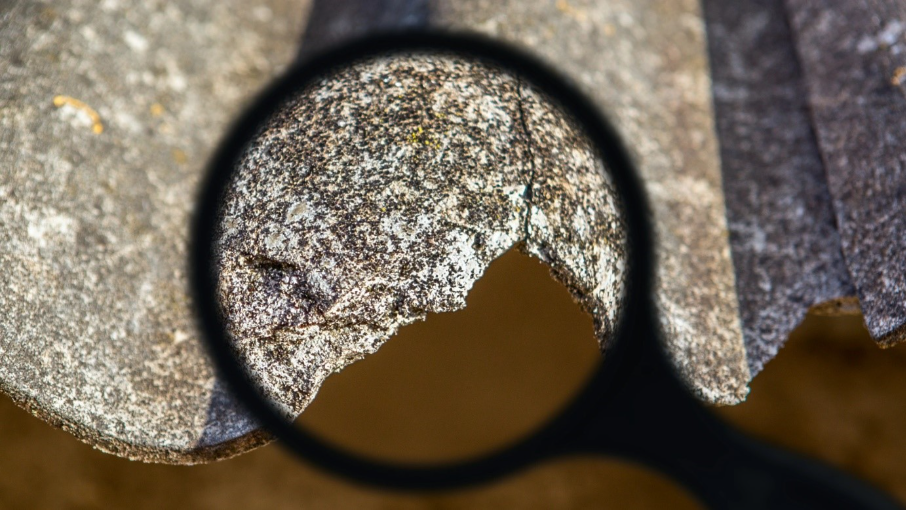
Why Commercial Properties Need Asbestos Inspections
Asbestos inspections are critical for commercial properties due to legal obligations, health risks, and financial implications. Unlike residential buildings, commercial premises often accommodate large numbers of people, increasing the potential consequences of unmanaged asbestos.
Workplace Health and Safety Compliance
Under Australian workplace health and safety regulations, businesses have a duty to identify and manage asbestos risks in workplaces. A workplace asbestos inspection helps property owners and employers meet their obligations by identifying ACMs and ensuring appropriate controls are in place.
Failing to manage asbestos risks can result in regulatory action, fines, and legal liability. Regular asbestos inspections support compliance and demonstrate due diligence.
Protecting Staff, Tenants, and Visitors
When asbestos‑containing materials are disturbed, they can release fibres that are hazardous when inhaled. Commercial properties often involve maintenance work, fit‑outs, and refurbishments that may unknowingly disturb asbestos.
An inspection reduces the risk of exposure by identifying hazards before work begins, helping protect:
- Employees and contractors
- Tenants and customers
- Visitors and members of the public
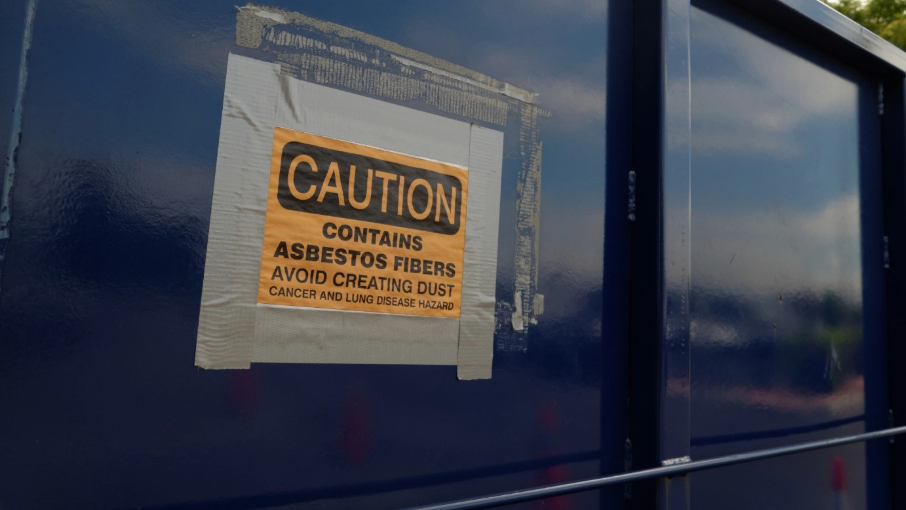
When Should You Arrange a Commercial Asbestos Inspection?
There are several situations where arranging asbestos inspection services Australia‑wide is strongly recommended for commercial property owners and managers.
Before Renovation or Demolition Work
A pre renovation asbestos check is essential before any refurbishment, upgrade, or demolition work. Disturbing hidden asbestos during building works can release fibres into the air, creating significant health hazards and potentially halting projects.
An inspection ensures asbestos risks are identified and managed before work starts, preventing costly delays and safety incidents.
Before Buying or Leasing a Commercial Property
When purchasing or leasing a commercial building, an asbestos inspection provides clarity on potential liabilities and future costs. A commercial property asbestos report helps buyers and tenants understand:
- Whether asbestos is present
- The condition of any identified materials
- Likely management or removal requirements
This information can influence negotiations, budgets, and long‑term planning.
For Ongoing Compliance in Older Buildings
Older commercial buildings benefit from periodic asbestos reviews, especially where materials are ageing or usage has changed. Regular inspections help ensure existing asbestos management plans remain accurate and effective.
Step‑by‑Step Asbestos Inspection Process
Understanding the asbestos survey process helps demystify what happens during a professional commercial inspection. While each building is different, most inspections follow a similar structure.
Step 1: Initial Site Assessment
The inspection begins with an initial site assessment. The inspector reviews key information such as:
- The building’s construction date
- Previous asbestos reports or registers
- Building layout and use
- Planned works or known problem areas
This stage helps determine where asbestos is most likely to be present and what level of inspection is required.
Step 2: Visual Inspection of Suspect Areas
Next, the inspector conducts a thorough visual inspection of accessible areas where asbestos‑containing materials are commonly found. This includes checking surfaces, fittings, and building components for signs of ACMs.
Common indicators such as age, material type, and appearance are used to identify suspect materials during this stage of the asbestos inspection process.
Step 3: Material Sampling (If Required)
If suspected materials cannot be confirmed visually, controlled samples may be collected. Sampling is performed using strict safety procedures to minimise fibre release.
Samples are sent to accredited laboratories for asbestos testing Australia‑wide, where they are analysed to confirm the presence and type of asbestos.
Step 4: Risk Assessment
Once materials are identified, an asbestos risk assessment is conducted. This assessment considers:
- The condition of the material
- Its location within the building
- The likelihood of disturbance
- The level of exposure risk to occupants
This step determines whether asbestos can be safely managed in place or requires removal.
Step 5: Final Report and Recommendations
The final stage is the delivery of a detailed report. A professional commercial asbestos inspection report typically includes:
- Identified or presumed asbestos locations
- Laboratory test results (if applicable)
- Risk ratings for each material
- Recommendations for management or removal
- Guidance for compliance and future monitoring
This report forms the basis of an asbestos management plan where required.
Areas Commonly Checked During a Commercial Asbestos Inspection
Older Australian commercial buildings often contain asbestos in predictable locations. Inspectors focus on areas with higher likelihood of ACMs.
Roofing and External Cladding
Asbestos cement sheeting was widely used in roofing, wall cladding, eaves, and facades. These materials may still be present in warehouses, factories, and older retail buildings.
Internal Walls, Ceilings, and Flooring
Asbestos may be found in internal building elements such as:
- Wall linings and insulation boards
- Ceiling tiles and textured finishes
- Vinyl floor tiles and adhesives
Even well‑maintained interiors can conceal asbestos beneath newer finishes.
Plant Rooms and Service Areas
Plant rooms and service spaces often contain higher‑risk materials, including:
- Pipe lagging and insulation
- Electrical switchboards and backing boards
- Ducts, boilers, and mechanical equipment
These areas are a key focus of workplace asbestos inspection services.
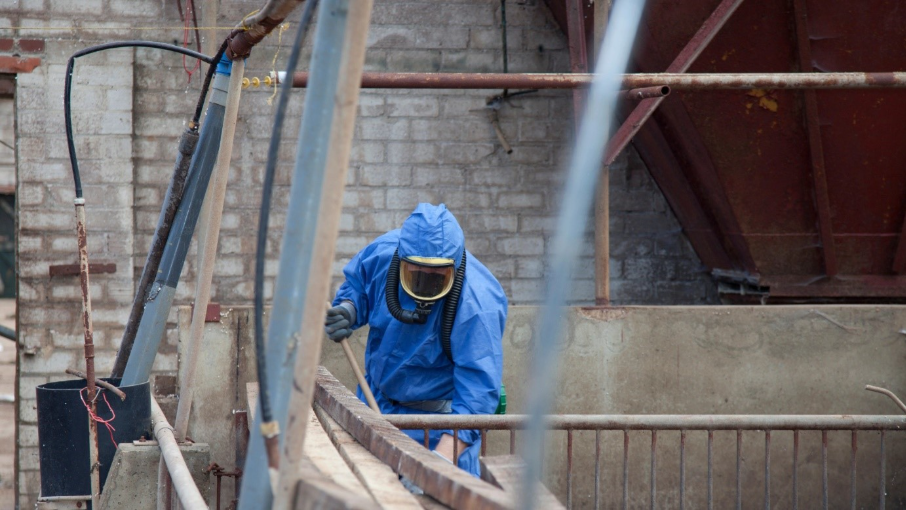
What Happens If Asbestos Is Found?
Finding asbestos does not automatically mean a building is unsafe. The appropriate response depends on the condition and risk level of the material.
Management Plans for Low‑Risk Materials
If asbestos‑containing materials are in good condition and unlikely to be disturbed, they may be safely managed in place. This typically involves:
- Documenting materials in an asbestos register
- Implementing an asbestos management plan
- Monitoring condition over time
- Informing workers and contractors
This approach supports asbestos removal compliance while avoiding unnecessary disruption.
Licensed Removal for High‑Risk Materials
If materials are damaged, deteriorating, or likely to be disturbed, professional removal may be required. High‑risk asbestos must be removed by licensed contractors in accordance with Australian regulations.
An inspection report will clearly outline when removal is necessary and what steps are required to remain compliant.
How Jim’s Building Inspections Australia Can Help
Jim’s Building Inspections Australia provides reliable, professional asbestos assessments tailored to commercial properties nationwide. Their experienced inspectors understand the complexities of commercial buildings and the importance of clear, practical advice.
Detailed Commercial Inspection Reports
Jim’s delivers comprehensive reports that help owners, managers, and buyers understand their asbestos risks and obligations. Clear findings, photographs, and recommendations support informed decision‑making and compliance.
Fast Booking and Professional Service
With convenient scheduling and experienced inspectors across Australia, Jim’s Building Inspections Australia makes it easy to arrange asbestos inspection services Australia‑wide. Their professional approach minimises disruption while delivering accurate, actionable results.
Conclusion: Understand the Asbestos Inspection Process Before Risks Escalate
Asbestos remains a significant concern in older commercial properties, but it can be managed safely with the right approach. Understanding the asbestos inspection process empowers business owners, property managers, and investors to identify risks early, protect occupants, and meet legal obligations.
By arranging a professional commercial asbestos inspection, you reduce the likelihood of unexpected costs, project delays, and health risks. Early action ensures compliance, protects people, and supports the long‑term value of your property.
Frequently Asked Questions
The duration depends on the size, layout, and complexity of the building. Smaller premises may be inspected within a few hours, while larger or more complex sites can take longer, especially if sampling is required.
No. If asbestos‑containing materials are in good condition and unlikely to be disturbed, they can often be safely managed in place through an asbestos management plan.
Yes. A pre renovation asbestos check is strongly recommended and often required before renovation or demolition work to prevent accidental fibre release.
Commercial asbestos inspections must be conducted by competent, trained professionals with appropriate experience and knowledge of Australian regulations.
Costs vary depending on building size, inspection type, and whether sampling is required. A professional inspection provides valuable protection against far greater costs associated with unmanaged asbestos.