
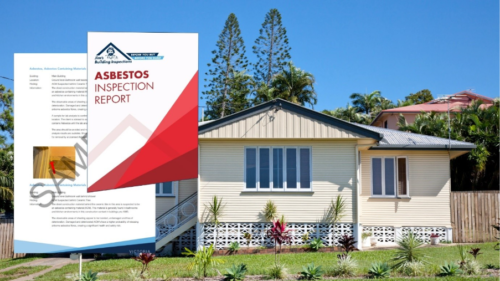
Understanding an asbestos inspection report is essential for anyone buying, selling, renovating, or managing property in Australia. These reports play a critical role in identifying potential hazardous materials, assessing property condition, and ensuring compliance with Australian safety regulations.
Whether you’re a homeowner or a property investor, knowing how to interpret asbestos inspection findings can help you make informed and responsible decisions.
What Is an Asbestos Inspection Report?
An asbestos inspection report is a professional document prepared after a property assessment. It outlines the presence, location, and condition of asbestos‑containing materials (ACMs) within a building.
These reports are typically prepared by licensed or qualified inspectors and may include asbestos testing results, risk assessments, and management recommendations.
Why an Asbestos Inspection Report Is Important
Protecting Health and Safety
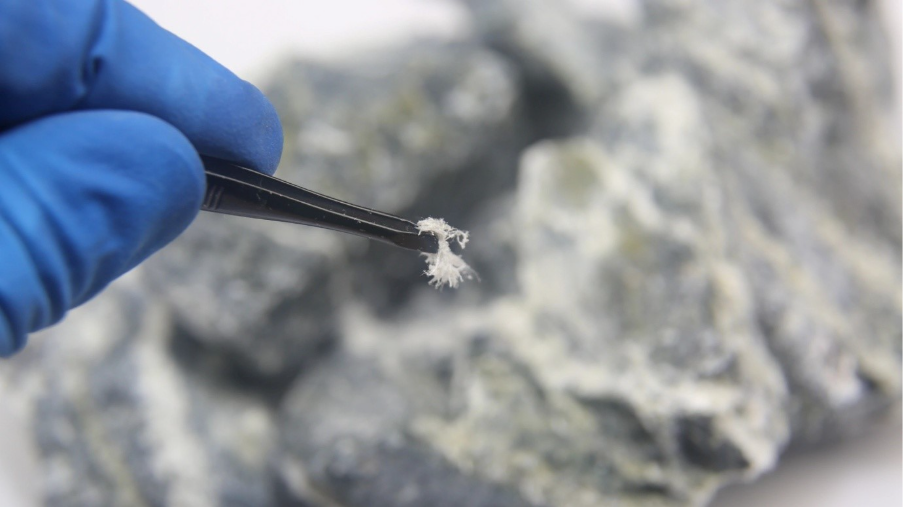
Asbestos fibres can become airborne when materials are damaged or disturbed. Inhalation of these fibres poses serious health risks. An asbestos safety report helps identify these materials before they become dangerous.
Supporting Legal and Compliance Requirements
Australian workplace and property regulations require proper identification and management of asbestos. An asbestos survey report helps ensure compliance with these legal obligations.
Helping Buyers and Property Owners Make Informed Decisions
An asbestos property inspection provides valuable insight into potential repair, renovation, or removal costs—allowing buyers and owners to plan ahead.
What Does an Asbestos Inspection Report Contain?
Property Information and Inspection Details
Reports include the property address, inspection date, inspector credentials, and scope of the asbestos inspection services in Australia.
Locations of Suspected Asbestos Materials
Inspectors list specific areas where asbestos-containing materials were identified or suspected, forming a key part of the asbestos inspection checklist.
Material Condition Assessment
The report evaluates whether materials are intact, deteriorating, or damaged—important for determining risk.
Risk Ratings and Hazard Levels
Each material is assigned a risk level as part of the asbestos risk assessment, helping prioritise action.
Laboratory Testing Results
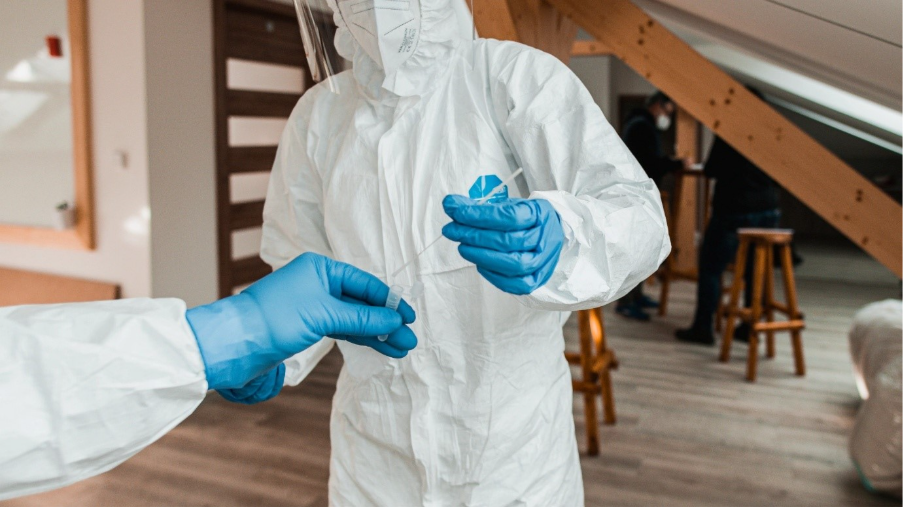
Samples may be tested in a laboratory to confirm whether asbestos fibres are present—resulting in an asbestos testing report.
Recommendations and Next Steps
Clear asbestos management recommendations are provided, including monitoring, repair, or removal advice.
How to Read an Asbestos Inspection Report
Understanding Risk Classifications
Low‑risk materials are generally stable and undisturbed, while high‑risk materials are damaged or likely to release fibres.
Reviewing Inspection Photos and Diagrams
Visual references such as photos and annotated diagrams help locate asbestos materials within the property.
Interpreting Management Recommendations
Recommendations guide your next steps—whether that’s ongoing monitoring or arranging licensed asbestos removal.
Common Areas Mentioned in an Asbestos Inspection Report
Roofing and External Cladding
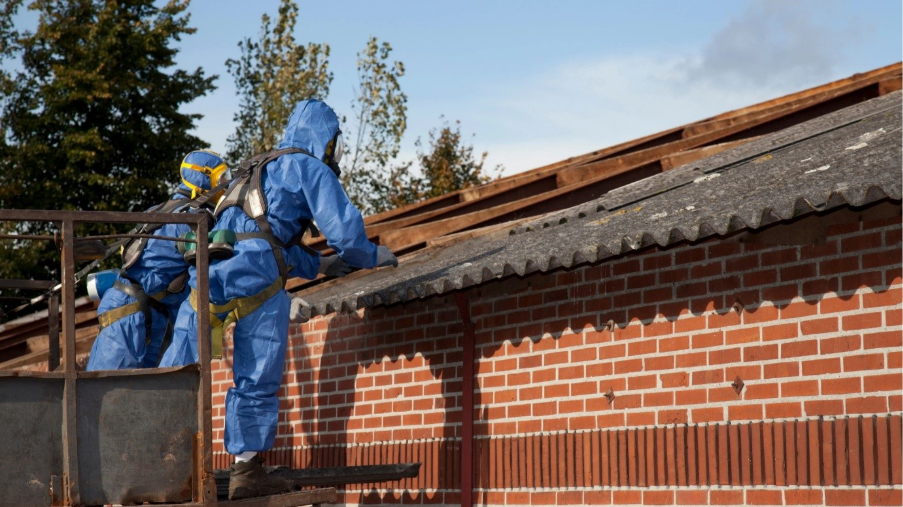
Older Australian homes commonly used asbestos cement in roofing sheets and wall cladding.
Bathrooms, Kitchens, and Laundries
Wet areas may contain asbestos in wall linings, vinyl flooring, or insulation materials.
Garages, Sheds, and Fencing
External structures often contain asbestos materials, especially in older constructions.
What Happens After Receiving an Asbestos Inspection Report?
Monitor Stable Materials Safely
If asbestos materials are in good condition, they may not require immediate removal but should be regularly monitored.
Arrange Professional Removal if Necessary
Damaged or high-risk materials should be handled by licensed asbestos removal professionals in accordance with Australian regulations.
Keep Records for Future Property Management
Maintaining your asbestos report Australia documentation is essential for future renovations, maintenance, or property sale.
How Jim’s Building Inspections Australia Can Help
Detailed Asbestos Inspection Reports
Professional inspectors provide clear, easy-to-understand reports that outline risks and actionable solutions.
Experienced Property Inspection Professionals
Working with experienced professionals ensures accuracy and compliance with Australian asbestos safety standards.
Conclusion: Understand Your Asbestos Inspection Report with Confidence
An asbestos inspection report is more than just a document—it’s a vital tool for protecting health, ensuring compliance, and safeguarding property value.
By understanding asbestos inspection findings and recommendations, you can take the right steps to manage risks and make informed property decisions.
FAQs
What is an asbestos inspection report used for?
It identifies asbestos-containing materials, assesses risks, and provides safety recommendations.
Does an asbestos inspection report confirm asbestos presence?
Laboratory testing is usually required to confirm asbestos fibres in sampled materials.
Can I buy a property if asbestos is found?
Yes, but you should understand the risks, management requirements, and potential removal costs.
How long is an asbestos inspection report valid?
Reports remain useful unless the property changes or materials deteriorate over time.
Who should review an asbestos inspection report?
Property owners, buyers, landlords, business operators, and renovation contractors should review it carefully.