
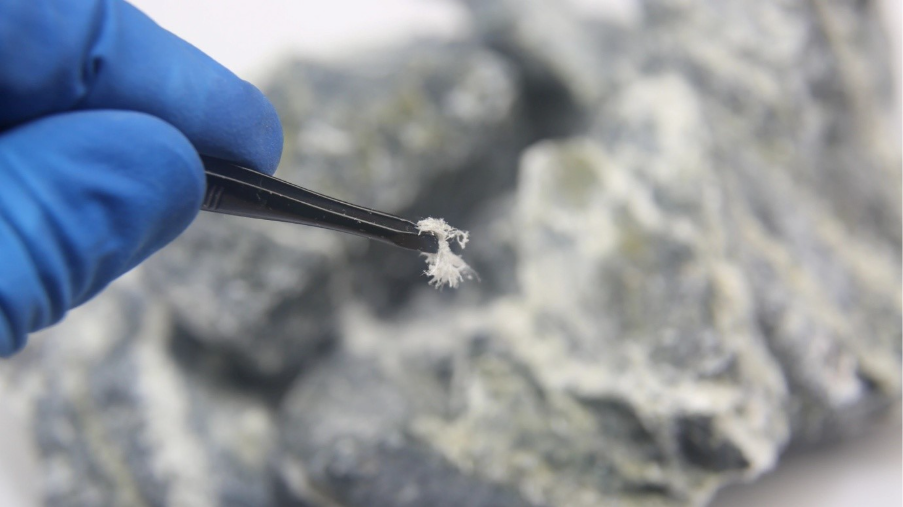
Planning a commercial property renovation can be an exciting opportunity to improve functionality, increase property value, and modernise ageing facilities. However, for many older Australian buildings, there is a hidden risk that must be addressed before any renovation work begins: asbestos.
An asbestos renovation inspection is one of the most important steps in preparing for refurbishment, demolition, or construction work. Asbestos-containing materials (ACMs) may be hidden within walls, ceilings, flooring, roofing, insulation, and other building components. Disturbing these materials during renovation can release hazardous airborne fibres that pose serious health risks.
A professional pre-renovation asbestos inspection helps identify asbestos hazards before work starts, allowing property owners, contractors, and project managers to develop safe and compliant renovation plans. By investing in an early inspection, commercial property owners can protect workers and building occupants, minimise costly project interruptions, and meet Australian workplace safety obligations.
What Is an Asbestos Inspection Before Renovation?
An asbestos renovation inspection is a professional assessment carried out before construction, demolition, refurbishment, or maintenance activities commence. The purpose is to locate and identify any asbestos-containing materials that may be disturbed during planned works.
The inspection evaluates the location, condition, accessibility, and potential risk associated with ACMs. Findings are then used to guide asbestos management, removal planning, and renovation scheduling.
Understanding Asbestos-Containing Materials (ACMs)
Asbestos-containing materials (ACMs) are products that contain asbestos fibres mixed with other materials such as cement, insulation, vinyl, or plaster.
Historically, asbestos was widely used throughout Australian commercial construction because it offered:
- Fire resistance
- Thermal insulation
- Durability
- Soundproofing properties
- Resistance to chemical damage
As a result, asbestos can still be found in many commercial properties built before Australia introduced restrictions and bans on asbestos products.
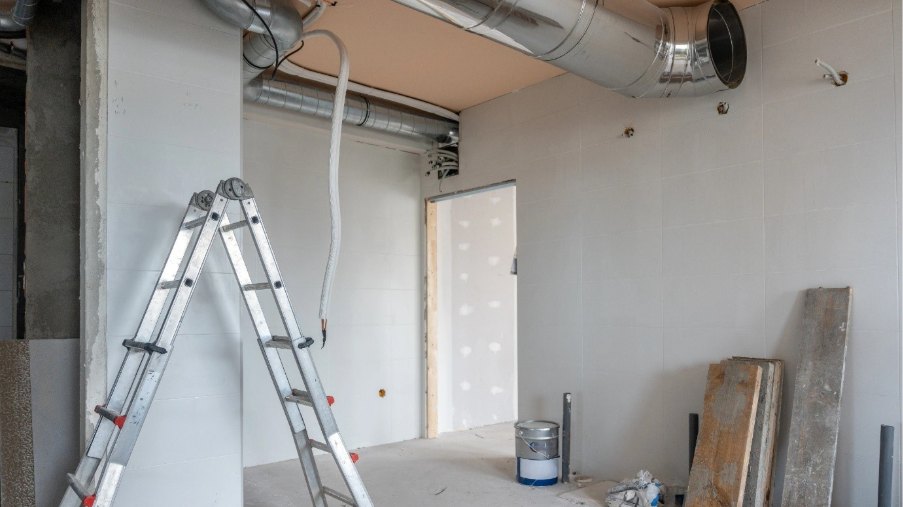
Why Renovation Projects Increase Asbestos Risks
Routine building occupancy may not disturb asbestos materials. However, renovation activities frequently involve:
- Cutting
- Drilling
- Sanding
- Demolition
- Structural modifications
These activities can damage ACMs and release microscopic asbestos fibres into the air. Renovation works may also uncover hidden asbestos that was previously concealed behind walls, ceilings, flooring, or service ducts.
This makes a pre-renovation asbestos inspection an essential safety measure before any work begins.
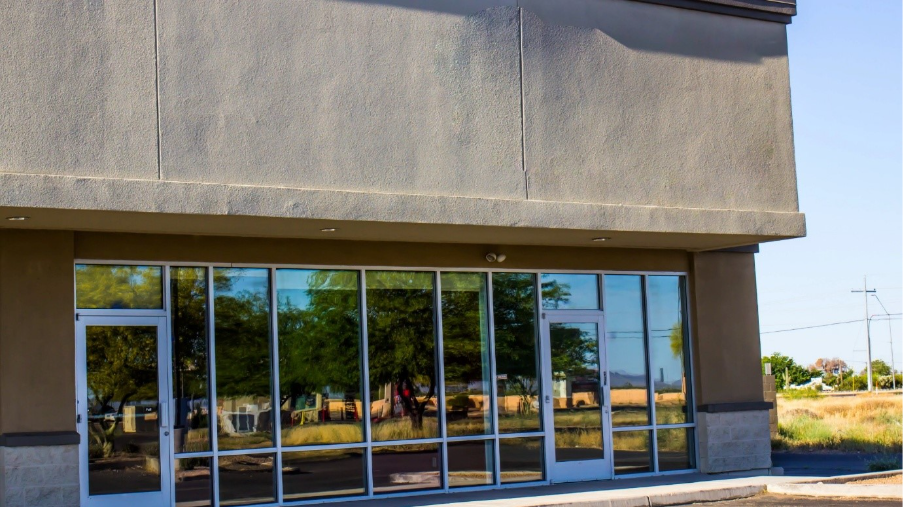
Why Asbestos Was Common in Older Commercial Buildings
For decades, asbestos was considered a valuable construction material across Australia. It was commonly incorporated into commercial building products because of its affordability and performance characteristics.
While asbestos use has since been banned, many older commercial buildings still contain ACMs that remain in place today.
Common Commercial Buildings That May Contain Asbestos
Several commercial property types may contain asbestos, including:
- Office buildings
- Warehouses
- Manufacturing facilities
- Retail centres
- Shopping complexes
- Industrial plants
- Storage facilities
- Government buildings
Buildings constructed before the asbestos ban are particularly likely to contain asbestos materials and should undergo a commercial asbestos survey before renovation work.
Common Locations Where Asbestos May Be Found
Asbestos can be found in both visible and concealed building components, such as:
- Roofing sheets
- Ceiling tiles
- Wall linings
- Pipe lagging
- Insulation materials
- Vinyl flooring
- Cement sheeting
- Electrical backing boards
- Fireproofing materials
- Plant and equipment insulation
A thorough asbestos building inspection helps locate these materials before they become a hazard.
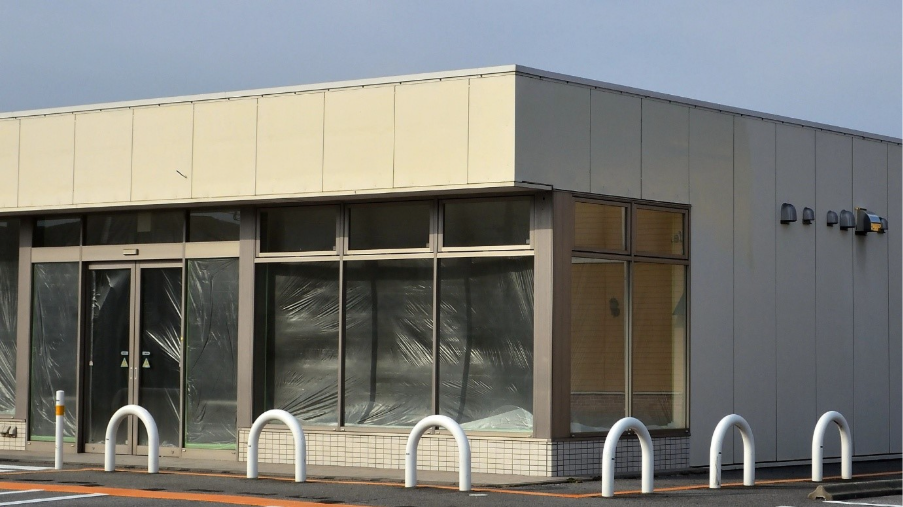
The Risks of Renovating Without an Asbestos Inspection
Proceeding with renovations without a proper hazardous materials inspection can create significant risks for everyone involved in the project.
Health Risks to Workers and Occupants
When asbestos fibres become airborne, they may be inhaled by workers, contractors, occupants, or visitors.
Exposure to asbestos has been associated with serious diseases, including:
- Asbestosis
- Lung cancer
- Mesothelioma
- Other respiratory illnesses
Because these diseases often develop many years after exposure, prevention remains the most effective approach to workplace asbestos safety.
Regulatory and Compliance Consequences
Australian workplace safety laws impose responsibilities on property owners, employers, and contractors to manage asbestos risks appropriately.
Failing to identify asbestos before renovation may lead to:
- Regulatory investigations
- Non-compliance penalties
- Project shutdowns
- Work stoppages
- Legal liability claims
Conducting an asbestos inspection Australia before renovations helps organisations meet their asbestos compliance Australia obligations.
Project Delays and Unexpected Costs
One of the most common renovation challenges occurs when asbestos is unexpectedly discovered midway through construction.
This can result in:
- Work delays
- Emergency asbestos testing
- Additional removal costs
- Contractor rescheduling
- Budget overruns
Early identification through asbestos testing commercial building projects can significantly reduce these risks.
What Happens During an Asbestos Renovation Inspection?
A professional asbestos inspection follows a structured process designed to identify potential asbestos risks and provide actionable recommendations.
Site Assessment and Material Identification
Inspectors conduct a detailed visual assessment of the property and identify building materials that may contain asbestos.
The inspection may include:
- Property history review
- Building material examination
- Assessment of renovation scope
- Identification of high-risk areas
Experienced inspectors understand where asbestos was commonly used and can identify suspected ACMs more efficiently.
Sample Collection and Laboratory Testing
When suspect materials are identified, samples may be safely collected following strict procedures.
The samples are then analysed by accredited laboratories to determine whether asbestos is present.
Laboratory testing helps eliminate uncertainty and confirms whether materials require management or removal.
Detailed Inspection Reporting
Following the inspection, property owners receive a comprehensive report outlining:
- Confirmed asbestos locations
- Material condition
- Risk assessments
- Recommended actions
- Management requirements
- Removal recommendations where applicable
This information supports informed decision-making and effective asbestos removal planning.
Australian Legal Requirements for Asbestos Renovation Work
Understanding asbestos regulations is essential before commencing any commercial renovation project.
Workplace Health and Safety Obligations
Australian workplace health and safety legislation places a duty of care on employers and persons conducting business activities to protect workers from asbestos exposure.
An effective asbestos risk assessment forms an important part of this obligation.
Property owners should ensure asbestos hazards are appropriately identified, assessed, and managed before work begins.
When an Asbestos Register May Be Required
Many commercial buildings must maintain documentation relating to asbestos management.
These may include:
- Asbestos register requirements
- Asbestos management plans
- Inspection reports
- Risk assessments
- Remediation records
Maintaining an up-to-date asbestos management plan supports safer renovation, maintenance, and future building works.
Benefits of an Asbestos Inspection Before Renovation
Proactively conducting an asbestos inspection provides significant safety, financial, and compliance benefits.
Improved Workplace Safety
Identifying asbestos before construction begins helps reduce the risk of accidental exposure.
Benefits include:
- Greater worker protection
- Safer site management
- Reduced exposure risks
- Enhanced workplace safety procedures
Effective workplace asbestos safety starts with knowing where asbestos exists within a building.
Better Project Planning
Inspection findings help project managers prepare realistic timelines and budgets.
Early asbestos identification allows for:
- Accurate cost forecasting
- Better contractor coordination
- Efficient project scheduling
- Reduced risk of disruption
This leads to smoother and more predictable renovation outcomes.
Compliance and Risk Reduction
An asbestos inspection demonstrates due diligence and supports compliance with workplace health and safety obligations.
It also helps reduce:
- Legal liability
- Regulatory risks
- Contractor disputes
- Insurance complications
For commercial property owners, risk reduction is often one of the strongest reasons to invest in professional inspections.
How Jim’s Building Inspections Australia Can Help
Professional asbestos inspections can play a critical role in supporting safe commercial property renovations across Australia.
Commercial Asbestos Inspection Services
Jim’s Building Inspections Australia provides specialised inspection services for a variety of commercial properties, including:
- Offices
- Retail buildings
- Warehouses
- Industrial facilities
- Manufacturing sites
- Commercial complexes
Tailored inspections help ensure renovation plans accurately address site-specific asbestos risks.
Clear Reports and Practical Recommendations
Detailed reporting provides valuable information for property owners, builders, contractors, and project managers.
Inspection reports typically assist with:
- Renovation planning
- Contractor briefings
- Risk management
- Compliance documentation
- Asbestos management decisions
Clear recommendations help minimise project delays while supporting safer renovation practices.
Tips for Managing Asbestos During Commercial Renovations
Careful preparation can significantly reduce asbestos-related risks during commercial building projects.
Arrange Inspections Before Project Planning
Property owners should organise asbestos inspections before finalising renovation designs and scopes of work.
Early inspections help avoid:
- Design revisions
- Work interruptions
- Budget surprises
- Compliance issues
Work with Licensed Professionals
Always engage qualified asbestos consultants, inspectors, and removal specialists when asbestos hazards are identified.
Professional expertise helps ensure:
- Accurate identification
- Safe handling procedures
- Regulatory compliance
- Appropriate risk management
Keep Detailed Records
Maintaining accurate documentation supports both current and future property management activities.
Key records may include:
- Inspection reports
- Laboratory test results
- Asbestos registers
- Asbestos management plans
- Removal certificates
- Remediation records
These documents help demonstrate compliance and support safer future renovations or maintenance activities.
Conclusion: Make Asbestos Inspection Part of Every Renovation Plan
A professional asbestos renovation inspection should be considered a fundamental first step before renovating any commercial property in Australia.
Older commercial buildings often contain hidden asbestos-containing materials that can pose significant health, legal, and financial risks if disturbed during construction works. A thorough commercial asbestos survey, combined with appropriate asbestos testing commercial building procedures, helps identify these hazards before they impact your project.
By prioritising pre-renovation asbestos inspection services, commercial property owners can improve workplace safety, achieve better project outcomes, maintain regulatory compliance, and reduce costly delays.
Whether you are upgrading an office, refurbishing a warehouse, or redeveloping an industrial facility, proactive asbestos management remains one of the smartest investments you can make before any renovation begins.
Frequently Asked Questions
An asbestos inspection identifies asbestos-containing materials before renovation work begins. This helps protect workers and occupants, supports legal compliance, and reduces the risk of costly project disruptions.
Offices, warehouses, factories, retail centres, industrial facilities, and other commercial buildings constructed before asbestos bans are more likely to contain asbestos materials.
If asbestos is identified, appropriate management or removal procedures may be required before renovation work can safely continue. The exact approach depends on the type, location, and condition of the material.
Yes. Asbestos is frequently concealed within wall cavities, ceiling spaces, insulation systems, flooring materials, pipe lagging, and other building components, making professional inspections essential.
Inspection frequency depends on property age, condition, occupancy, maintenance activities, and regulatory requirements. Additional inspections are typically recommended before any renovation, demolition, or major refurbishment work.