

Key Takeaways
- A building inspection is a non-invasive check of a property’s condition by a qualified inspector.
- It covers structure, roof, subfloor, moisture, visible safety hazards and pest-related damage.
- You receive a written report with photos, so you know the issues and likely repair priorities before you commit.
Buying a property is often the biggest purchase you’ll make, and you’re asked to commit before you’ve seen behind the walls. Professional building inspections give you an independent view of the property’s condition first. This blog explains what a building inspection is, what they cover and how to use the report.
What is a Building Inspection?
A building inspection is a non-invasive assessment of a property’s condition, carried out by a qualified inspector. It identifies defects, safety hazards and signs of damage, then records them in a written report.
Residential inspections in Australia follow AS 4349.1, the standard for residential building inspections. It sets out what the inspector assesses and how findings are reported. An inspection can’t see inside walls or under fixed floors, and it isn’t a valuation or a guarantee. Instead, it gives you an informed snapshot of what is visible and accessible on the day.
What Does a Building Inspector Do?
A building inspector assesses the condition of a property, identifies defects and safety hazards, and records them in a plain-language report. They rate the seriousness of each issue and recommend further specialist checks where needed.
Good inspectors also explain findings in terms you can act on. They tell you what’s cosmetic, what needs monitoring and what needs repair soon.
What Does a Building Inspection Involve?
A building inspection involves a booking, a walk-through of the property and a written report. Most are completed in a single visit. Any testing adds to the timeline as results are processed.
- Book: Share your address, property type and access details. You can add other checks to the same visit.
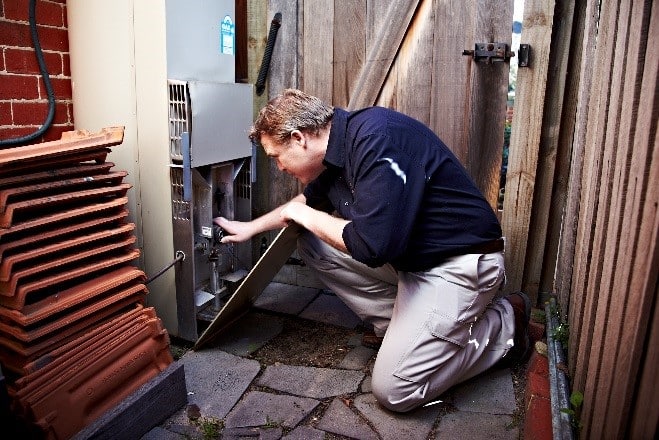
- On-Site Inspection: Our inspector checks the interior, exterior, roof space, subfloor and site. Most homes take one to two hours, and larger or older properties take longer. You’re welcome to attend and ask questions.
- Report: Your local Jim’s Building Inspector completes reports in a purpose-built app, so most customers receive theirs typically within 24 hours of the inspection.
- Follow-Up: You can call your inspector to clarify anything in the report.
When Do You Need a Building Inspector?
You need a building inspector whenever you have to make a decision depending on the real condition of a building. Common situations include:
- Buying: A pre-purchase building inspection before you make an offer or bid at auction.
- Selling: A pre-sale report lets you fix problems or set an accurate price before buyers find them.
- Building New: New construction inspections at key stages and before handover.
- Renovating or Investing: A baseline of the property’s condition, even from interstate.
- Neighbouring Construction: A dilapidation inspection records condition before work begins.
- Apartments and Units: A strata report reviews records, maintenance history and common property.
Rules around disclosure, cooling-off periods and inspector licensing vary between states and territories, so check requirements where you live.
What Does a Building Inspector Look For?
A building inspector looks for defects and hazards that affect safety, structure or future repair costs. The checklist typically includes:

- Structure: Walls, floors, framing and signs of movement.
- Roof: Tiles or sheeting, gutters, flashing and roof space.
- Subfloor: Stumps, bearers, ventilation and drainage.
- Damp and Moisture: Staining, rising damp and leaks.
- Cracking: Size, pattern and likely cause.
- Drainage: Water flow around the building.
- Visible Safety Hazards: Unsafe stairs, balustrades or decking.
- Pest-Related Damage: Visible timber damage.
For specific needs, we offer specialist inspections such as mould, strata, rental safety and smoke alarm inspections. Our inspector can flag visible electrical and plumbing concerns, but we don’t test or certify those systems. A licensed electrician or plumber can help with that.
How Much Does a Building Inspection Cost?
The cost of a building inspection depends on the property’s size, age and location, plus any add-on reports. Larger and older homes take longer to assess, so they usually cost more. For instance, a building inspection in Melbourne may be priced differently from one in a regional area because of travel and property types. Add-ons such as pest, asbestos or mould checks are priced separately.
For a clearer picture, read about building inspection costs or ask for a quote.
What’s the Difference Between Standard and Premium Inspections?
A Standard inspection covers the visible condition of the property against AS 4349.1. A Premium inspection adds extra detail and checks to the report. Ask your local inspector exactly what each includes for your property before you book.
What Does a Building Inspection Report Include?
A report includes a summary, photos, and notes on each defect, along with a rating of its severity. For example, hairline cracking might be marked “monitor”, while a leaking gutter causing subfloor damp might be marked “repair soon”.
You can use it three ways:
- Negotiate: Ask for a price adjustment or for repairs before settlement.
- Plan: Get quotes from tradespeople and build a repair budget.
- Decide: Step back if the problems are bigger than you expected.
How is It Different From a Pest Inspection or Strata Report?
A building inspection assesses the structure and condition of the property. A pest inspection looks for termites and other timber pests, and a strata report reviews the records and finances of an apartment complex.
Many buyers book a building and pest inspection together, which saves time and gives one coordinated visit.
Common Myths About Building Inspections
A New Home Doesn’t Need One
New homes can have faults too, such as unfinished work or poor finishing. An inspection before handover puts them in writing so the builder can fix them.
A Clean Report Means There Are No Problems
A clean report means we found no visible problems in the areas we could safely reach on the day. It’s a snapshot, not a guarantee.
The Inspector Will Tell Me Whether to Buy
We tell you what we find, in plain language with photos. What to do about it is always your decision.
How to Choose a Building Inspector
- Check they carry professional indemnity and public liability insurance.
- Ask whether reports follow Australian Standards.
- Request a sample report to see the level of detail.
- Check turnaround time and whether they’ll answer follow-up questions.
Know What You’re Buying Before You Sign
An inspection shows you what the property needs and roughly estimates the cost, so you can commit with confidence. Download a sample report to see what you’ll receive, or request a quote from your local Jim’s Building Inspector.
FAQs
Yes, and attending is a good idea. You can ask questions as the inspector works and see issues first-hand. Check with your agent or the owner first, as access arrangements differ for occupied and tenanted properties.
A standard building inspection notes visible pest-related damage, but a full timber pest check is a separate service. You can combine the two in one visit to save time.
Yes. If a property has already been inspected, you may be able to purchase the existing report and save time and cost. Reports are available for a limited period, so check the listing for your property.
New homes can have defects, so many owners book inspections at key build stages and before handover. Catching problems early lets the builder fix them while the contract still protects you.
You have the option to negotiate the price, ask for repairs, get specialist quotes, or reconsider the purchase. The report gives you evidence to support whichever path you choose.