

Key Takeaways
- A pre-purchase building inspection is a non-invasive assessment of a property’s structure, safety hazards and visible defects, delivered as a written report.
- Book it before you sign a contract or bid at auction.
- It isn’t a legal requirement, but it’s strongly recommended, and rules vary by state.
Finding cracked footings or termite damage after settlement is stressful and expensive. A pre-purchase inspection shows you what you’re buying, and what it could cost, before you commit. This guide explains how pre-purchase building inspections work, what they cover and when they’re needed.
What is a Pre-Purchase Building Inspection?
A pre-purchase building inspection is a qualified inspector’s visual assessment of a property’s condition. You receive a written report with photos that identifies defects, safety hazards and signs of pest damage before you buy.
Buyers book one to understand the property’s condition and the likely cost of repairs. It suits:
- First home buyers who aren’t sure what to look for.
- Investors, including interstate buyers who can’t attend in person.
- Buyers of older homes, where wear, past repairs and older materials are more likely.
- Apartment buyers, who want to know the condition of the unit itself.
- New-build buyers, who want defects found before handover.
Jim’s Building Inspectors offer Standard and Premium reports. Premium adds an asbestos assessment, which is useful for homes built before the 1980s.
What Does a Pre-Purchase Inspection Involve?
An inspector visits the property, checks all accessible areas inside and out, and sends you a written report, usually within 24 hours of the inspection. Here’s what a pre-purchase inspection involves:
- Booking: You provide the address, your auction or contract deadline and access details, usually arranged through the agent.
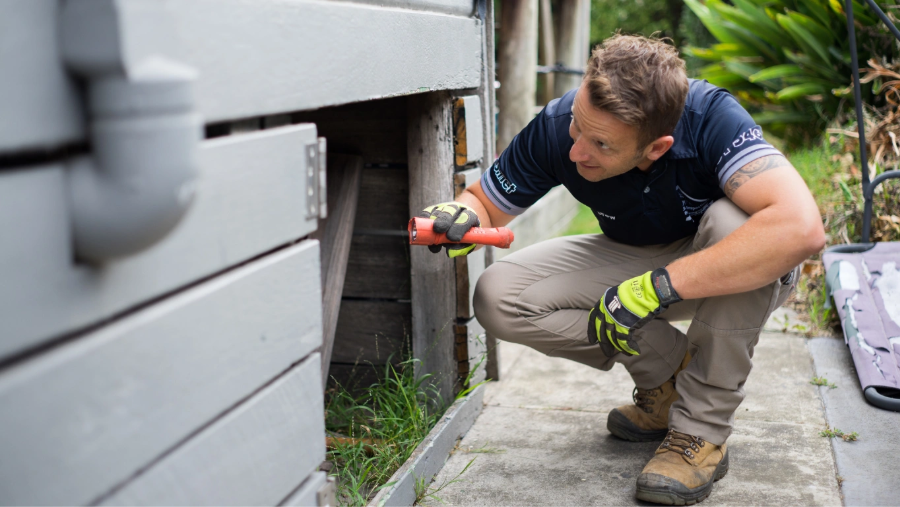
- On Site: Your local inspector works through the building, roof space, subfloor (where accessible) and exterior. Time on site depends on the property’s size and complexity.
- Report: Jim’s Building Inspectors complete reports in a purpose-built app, so most clients receive theirs generally within 24 hours.
- Follow-Up: Our team is here if there’s anything you want to clarify from your report.
How to Read Your Report
Reports typically sort findings by seriousness. Some simple examples:
- A hairline crack in a cornice: Minor and often cosmetic.
- Damp staining near an external wall: Moderate, repair quote recommended.
- Movement in roof framing: Major, seek a specialist opinion before proceeding.
Do I Need a Pre-Purchase Building Inspection?
It isn’t a legal requirement in Australia, but it’s strongly recommended, and rules vary by state. Without one, you rely on what you can see during an open home. The principle of caveat emptor places the responsibility for checking a property’s condition on the buyer. An inspection gives you a documented picture to rely on.
What Does a Pre-Purchase Inspection Check?
The inspector looks at the main structure, roof, subfloor, moisture, visible safety hazards and pest-related damage. Premium reports also include an asbestos assessment.
Common checks within a pre-purchase inspection include:
- Walls, floors, ceilings, doors and windows for cracking or movement.
- Roof covering, gutters and the roof space.
- Subfloor ventilation, stumps and bearers where accessible.
- Damp, leaks and moisture readings.
- Visible hazards such as unsafe stairs, balustrades or electrical concerns.
- Signs of timber pest activity or damage.
Red Flags to Watch For
- Wide or growing cracks.
- Sagging ceilings or roof lines.
- Musty smells, mould or persistent damp.
- Doors and windows that stick or won’t close.
- Mud tubes or hollow-sounding timber.
- Signs of unapproved structural work.
What’s Covered in a Non-Invasive Inspection
An inspection covers accessible areas only. Inspectors can’t see inside walls, under fixed floor coverings or in sealed cavities. If something looks suspicious, they’ll recommend a specialist.
Add-Ons for Older Homes
Homes built before the 1980s may contain asbestos. If your report doesn’t already include an assessment, asbestos testing can confirm what’s present.
When Should You Get a Pre-Purchase Inspection?
Get a pre-purchase inspection before you sign a contract or before auction day. The timing matters because an inspection only helps if it happens before you sign.
- Auctions: There’s typically no cooling-off period after the hammer falls, so inspect beforehand.
- Private sales: Some states offer a cooling-off period, but it can be short. Booking early leaves more time to act on the report.
- Contract Conditions: Many buyers add a “subject to building and pest” clause. A conveyancer or solicitor can explain how this works in your state.
After the contract is signed, a pre-settlement inspection checklist helps you check the property before you take possession.
How Much Does a Pre-Purchase Building Inspection Cost?
The pre-purchase building inspection cost depends on the property and the report you choose. Rather than a fixed figure, you’ll get a quote based on your situation.
Factors Affecting the Price
- Property size and number of structures (for example, a granny flat or shed).
- Age, construction type and complexity.
- Location and access.
- Standard or Premium report.
- Add-ons such as pest or asbestos checks.
The Purpose of the Findings
Your report gives you evidence for three decisions:
- Negotiate: Share the findings and repair quotes with the agent or seller. Whether a price adjustment is possible depends on the sale.
- Budget: Add expected repair costs to your purchase budget so nothing catches you off guard.
- Decide: If the defects are larger than you can manage, you can walk away before you’re locked in.
Choosing the Right Inspector
When you’re shortlisting an inspector, look for:

- Current licensing or registration where your state requires it.
- Professional insurance.
- Reports prepared to AS 4349.1, the Australian Standard for residential building inspections.
- A sample report you can read before booking.
Know What You’re Buying
Book ahead of an auction or contract deadline. Jim’s Building Inspectors provide pre-purchase building inspections in Melbourne, Sydney, Brisbane, Adelaide and Perth.
Download a sample report to see how findings are presented, or request a quote from your local Jim’s Building Inspector.
FAQs
Arrange access through the agent, share your auction or contract deadline with the inspector, and mention any concerns you’ve noticed, such as damp smells or cracking. Clear access to the roof space, subfloor and switchboard helps the inspector check as much as possible.
Yes. If a property has already been inspected, you may be able to purchase the existing report, saving time and cost. Reports are available for a limited period, so check the listing first.
A pre-purchase inspection assesses the property’s condition before you commit, so you know what you’re buying. A pre-settlement inspection is a final walk-through shortly before settlement, checking the property is in the condition you expect after the contract is signed.
Yes. Many investors and interstate buyers rely on a written report with photos to assess a property without visiting in person. Because reports are delivered digitally, usually within 24 hours, you can review the findings from anywhere before making your offer.
A building and pest inspection combines the building check with a dedicated search for termites and other timber pests. A strata report looks at the wider strata scheme rather than just your unit, covering common property issues, maintenance history, finances and records to help buyers assess potential risks and future costs.