



Buying a property is one of the biggest financial commitments you’ll ever make. While the layout, location, and price may look perfect, hidden issues like termite damage and pest activity can turn a dream purchase into a costly mistake.
That’s why a professional Pre‑Purchase Building Inspection, which includes a comprehensive termite and pest assessment, is an essential step before signing a contract.
This article explains why termite and pest inspections matter, the risks of skipping them, and how a qualified building inspector protects your investment.
Why Termite and Pest Inspections Matter Before You Buy
Termites and timber pests are one of the leading causes of structural damage in residential properties, and the most dangerous part is how often the damage remains hidden.
During a Pre‑Purchase Building Inspection, inspectors intentionally assess the property for pest activity because:
- Termites operate silently inside walls, floors, roofs, and subfloors
- Damage is rarely visible during open homes or basic walkthroughs
- Problems often exist long before obvious symptoms appear
Without a proper inspection, buyers may unknowingly inherit serious structural issues that require expensive repairs.
Hidden Termite Damage Isn’t Always Obvious
Some of the most severe termite damage can exist without visible signs. A trained building inspector looks beyond surface appearance and checks for indicators such as:
- Hollowed or weakened structural timbers
- Damaged floor joists or bearers
- Deteriorated roof timbers and trusses
- Moisture build‑ups that attract pests
- Evidence of previous termite activity or incomplete treatments
These issues are rarely discovered without professional tools, experience, and access to areas such as roof voids and subfloors.
How Termites Can Affect a Property’s Safety and Value
Structural Integrity Risks
Termites feed on timber around the clock. Over time, they can compromise:
- Wall frames
- Floor structures
- Roof systems
- Support beams
If left untreated, the structural integrity of the home may be seriously weakened, posing safety concerns for occupants.
Financial Consequences
Termite damage can:
- Reduce property value
- Limit borrowing or insurance options
- Lead to repair costs ranging from thousands to tens of thousands of dollars
Most home insurance policies do not cover termite damage, making early detection critical.
What a Pre‑Purchase Building Inspection Covers
A professional Pre‑Purchase Building Inspection includes a complete assessment of the building’s condition, with termite and pest risks forming a vital part of the report.
Key Areas Assessed for Pest Activity Include:
Exterior Inspection
- Perimeter walls and foundations
- Garden beds, fencing, decking, and external timbers
- Subtle termite entry points and moisture sources
Interior Inspection
- Skirting boards, door frames, floorboards, and window sills
- High‑risk areas such as bathrooms, laundries, and kitchens
- Use of moisture meters, sounding tools, and thermal imaging where required
Subfloor and Roof Space
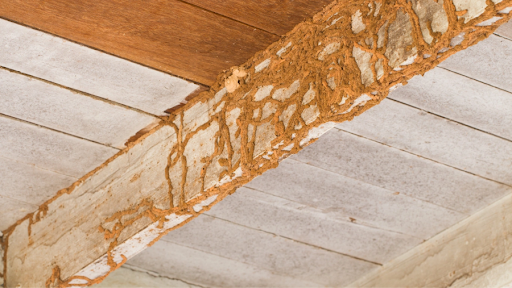
- Detection of termite workings, mud tubes, and damaged timbers
- Ventilation issues and moisture problems
- Roof leaks that may attract termites
Early Detection Saves Money and Stress
Identifying termite or pest issues before purchasing gives buyers powerful advantages:
- Ability to negotiate the sale price
- Request treatment or repairs prior to settlement
- Avoid buying a high‑risk property altogether
The cost of a professional inspection is minimal compared to unexpected repair bills after purchase.
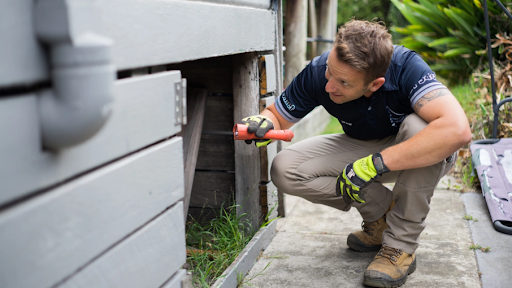
What If Termites Are Found During the Inspection?
Finding pest activity doesn’t automatically mean you shouldn’t proceed — it means you can make an informed decision.
Buyers may choose to:
- Negotiate a price reduction
- Ask the seller to complete treatment or repairs
- Request further specialist assessments
- Withdraw from the purchase if risks are too high
A detailed inspection report provides the clarity you need to protect your finances and safety.
Why Choosing a Professional Building Inspector Matters
Not all inspections are equal. A qualified building inspector with pest inspection expertise will offer:
- Knowledge of construction and timber pests
- Advanced detection equipment
- Clear, detailed written reports with photos
- Practical recommendations for risk management
Reputable providers such as Jim’s Building Inspections combine building expertise with thorough termite and pest assessments, helping buyers move forward with confidence.
Final Thoughts
Termite and pest inspections aren’t optional extras — they’re a critical part of a professional Pre‑Purchase Building Inspection. Skipping this step can expose buyers to hidden structural damage, expensive repairs, and serious safety risks.
Before you commit to purchasing a property, invest in a comprehensive inspection that protects your investment, strengthens your negotiating position, and gives you peace of mind.
Frequently Asked Questions
Termites often cause hidden structural damage that isn’t visible during open-home walkthroughs. A professional inspection identifies concealed issues early, helping buyers avoid unexpected repair costs.
It includes a full property assessment—interior, exterior, roof space, and subfloor—with specific checks for termite activity, timber pests, moisture problems, and structural defects.
No. Most serious termite damage is concealed within wall cavities, floors, and roof spaces. Professional inspectors use specialised tools like moisture meters and thermal imaging to locate hidden issues.
Buyers may choose to negotiate the price, request treatment or repairs, seek further specialist assessments, or walk away from the purchase if risks are too high.
Termites can weaken essential structural components such as wall frames, subfloor timbers, roof trusses, and support beams—posing longterm safety risks if untreated.
Most home insurance policies do not cover termite damage or treatment costs, making prepurchase inspections even more crucial.
Discovering termite issues early allows buyers to negotiate on price, request repairs before settlement, or avoid purchasing a highrisk property—preventing costly surprises.
Qualified inspectors have expertise in construction and timber pests, use advanced detection technology, and provide detailed reports that help buyers make informed decisions.
Not always. That’s why choosing a qualified inspector who specialises in both building assessments and pest inspections is essential.
Not necessarily. The severity of the damage, treatment history, and repair costs should guide the decision. A detailed inspection report helps weigh the risks confidently.